Indoor Playground Profitability in 2026 What to Expect
indoor playground could earn 2026% to 40% profit margin after fees in 2026. The recovery period is typically 18-36 months, depending on the size and cost of the project. Operating costs, prices, visitor numbers and extras all weigh on profits. The guide looks at how much money indoor playgrounds can make and how owners can improve returns. Careful planning can help homeowners keep costs under control before opening. The following sections will cover startup costs, revenue streams and ways to improve profitability.
Properly planned, indoor playgrounds can earn a profit margin of 20–40% profit margins after fees.
Key Takeaways
- Well-managed indoor playground can earn a profit margin of 20–40% after fees.
- Owners can recoup their investment in 12 to 18 months if they plan well and control costs.
- Birthday parties and memberships can bring in steady revenue and high profit margins.
- Keeping rents and staff costs low helps protect profits.
- Tracking data like weekly ridership and average spending can help homeowners make quick changes to boost profits.
Profitability of an Indoor Playground in 2026
Realistic Margin Ranges
Industry reports show that well-run indoor rides can achieve a net profit margin of 15%–35%. For most homeowners, a realistic target is 15%–30%. Location has a big impact on profits. Outside expensive urban retail areas, rents and labor costs are often lower, so profit margins can be higher. Busy city sites can also be profitable, but they need more visitors to pay higher costs.
Indoor playgrounds can be profitable if managed properly. High costs are a major cause of retail closures, so landlords need to plan for costs from the start. Rent and staff wages are the two biggest ongoing costs. Owners should calculate these costs before entering into a lease or hiring an employee. Paying more for a main road may not bring in enough extra customers. Parents often look for playgrounds through friends, social media and Google. Durable commercial equipment produced in trusted factories can also reduce maintenance costs and help protect profits in the long run.
Three factors have the biggest impact on profits. Leasing comes first because rent and employee compensation make up a large portion of ongoing costs. Then there The owner’s experience. Many owners have educational or parenting backgrounds but may lack skills in law, marketing, accounting or website management. Not having the right skills to do these tasks can lead to costly mistakes such as tax penalties, lost sales and wasted advertising spending. Hiring professionals increases costs, so homeowners should budget for those costs. Interior design ranked third because of its impact on the customer experience and day-to-day operating costs.
There are usually five factors that influence the success of indoor playgrounds: location and walkability, device design and play value, price and membership plans, marketing and social media, and customer service and cleanliness. Recurrent costs include rent, staff salaries, maintenance of equipment, insurance and licences, and marketing. Owners should evaluate each fee before opening and review it monthly.
Typical Payback Period
A new indoor playground rarely follows a single timetable. Payback estimates vary widely from source to source. The following table summarizes reported figures.
| Source | Reported Payback / ROI Figure |
| Weiroo Play (cost analysis) | ~2 months payback (extremely fast return) |
| Weiroo Play (cost analysis) | Average ROI: 12–18 months (real case studies) |
| Weiroo Play (cost analysis) | Most projects recover investment in 12–18 months |
| Weiroo Play (cost analysis) | Client case: break-even in 14 months |
| Angel Playground | Average payback period of 6 months; annual ROI 70%–200% |
“The average payback period is 6 months and you can recoup your initial investment in 6 months.” Return on investment ranges from between 70% to 200% per annum.
Actual case studies suggest that 12–18 months is a more reliable target for recovery of initial investment. Owners should be wary of claims from a single supplier who promises a much shorter payback period. The same source reports a return of two months and a return of 12 to 18 months in actual case studies. The gap suggests that the profitability of indoor playgrounds in 2026 will depend on management.
An operator in Dubai has turned a profit in 18 months by offering playgrounds, café services and upmarket birthday bags. This example shows how additional services can help homeowners recoup their investment more quickly. Ticket-only owners may need more time to break even. Careful cost control and different revenue streams can shorten payback period, while oversized projects and low pricing can extend payback periods.
Startup Costs and Returns
Equipment, Build-Out, and Permits
Indoor commercial playground equipment typically cost between $10,000 and $70,000 to buy and install. The median cost is about $35,000. Prices depend on the size and design of the structure. Smaller, stand-alone rides are cheaper. Multi-level soft play structures with piping, slides and climbing elements are more expensive. The price only includes the play structure. Safe flooring, fillings, anchors and site changes cost extra.
The total startup cost for indoor playgrounds is typically between $50,000 and $500,000. Location, facility size and number of attractions all affect the total cost. Permits and safety requirements have also increased the budget. Operators must comply with relevant equipment safety standards, such as ASTM F1487, and comply with local zoning, building and sanitation requirements. The rules vary from region to region, so licensing and certification costs vary from place to place. Transport and installation costs also depend on distance travelled, custom design, equipment size and weight, and the number of level or obstacle courses.
Before opening, owners should estimate seven main costs and sources of income as accurately as possible.Vasia playground provides design, manufacturing and installation services. This helps owners control construction costs and plan budgets more clearly.
Ongoing Operating Expenses
Rent or lease payments are usually one of the largest recurring costs. Commercial landlords typically require payment of the first month’s rent, the last month’s rent and a security deposit before opening. Rents depend on location, floor space, foot traffic and local market conditions. Utilities are another major cost. A good HVAC system helps keep indoor play area comfortable. Plumbing supports toilet and café services, electricity powers lighting, equipment and payment systems.
The monthly operating budget should include rent, utilities, labor, logistics and other overhead costs. Total monthly operating cost is equal to rent plus utilities, labour, logistics and other costs. The table below shows typical annual costs.
| Expense Category | Estimated Annual Cost |
| Rent / Lease | ~$269,100/year (example: $25/sq ft/year for 1,000 sq m) |
| Labor Costs | $100,000–$200,000+ per year |
| Insurance and Legal Fees | $10,000–$30,000+ per year |
| Marketing and Advertising | $10,000–$50,000+ per year |
| Utilities | A few thousand to tens of thousands per year |
| Maintenance and Repairs | A few thousand to tens of thousands per year |
| Permits and Licenses | A few hundred to several thousand per year |
A full budget should include one-time start-up and monthly operating costs. This can help owners control spending, manage cash flow and keep indoor playgrounds profitable in the long run. It also helps protect initial investments.
Pricing, Occupancy, and When an Indoor Playground Will Be Profitable
Admission fees bring in daily revenue. Birthday parties and memberships provide extra income. A profitable indoor playground depends not only on ticket sales but also on multiple sources of revenue. Owners who plan different revenue streams from the start can better estimate when their business will be profitable.
Admission Pricing and Memberships
Pricing structures vary by age, time, and session length. The table below summarizes common models.
| Pricing Category | Typical Structure | Key Details |
| Age-based admission | Different prices by age group | Infants under 12 months often enter free or at a reduced price. |
| Time-based pricing | Weekday vs. weekend; peak vs. off-peak | Weekday admission is often 20–40% cheaper than weekend admission. |
| Session models | Hourly tickets, fixed-time sessions, or all-day passes | Fixed sessions of 1.5–2 hours may cost less per hour than hourly tickets. |
| Memberships and season passes | Annual or quarterly fee for unlimited visits | Memberships may offer good value for families who visit 4–6 times per year or more. |
| Multi-visit packages | Prepaid punch cards or visit bundles | For example, customers pay for eight visits and get ten visits. |
Membership packages encourage repeat visits and provide a steady stream of income. Membership fees typically range from $50 to $100 a month, while annual plans range from $300 to $800. Birthday party packages, which typically cost $200 to $800 a pop, are also a major source of profit. The figure below shows how these sources of income contribute to annual income.
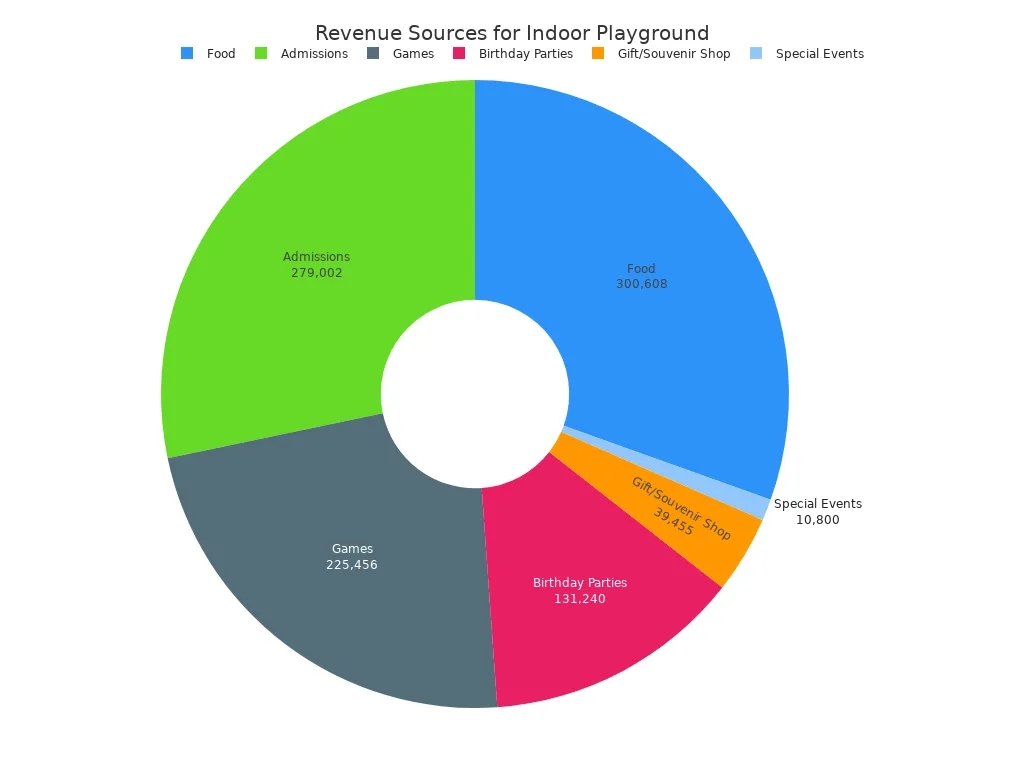
In this example, admission fees sales accounted for 28% of annual revenue, food for 30%% and games for 23%. No single source provides most of the revenue. That balance helps protect businesses when revenue from one source declines.
Driving Repeat and Off-Peak Visits
High occupancy rates depend on attracting visitors at quiet times, not just on weekends. During promotions, themed events and seasonal celebrations can boost attendance by up to 30 per cent. Membership and loyalty programs with perks can boost return rates by about 40% in a year. Partnerships with local schools, daycare centers and community groups can attract more visitors. Flexible pricing and lower off-peak prices can also attract customers during the off-season and help boost occupancy.
Operators should be tracking repeat visit rates, not just visitor numbers. A short weekly report is more useful than a long monthly one. Visitor numbers, broken down by time slot, repeat visit rates, membership share and average cost per visitor, help owners understand whether promotions are working. Weekly reviews can also help homeowners adjust costs and offers in a timely manner. Regular tracking can help turn a promising indoor playground into a profitable business.
Extra Revenue Streams That Boost Margins
A profitable indoor amusement park requires a business model with multiple revenue streams. Admission fees alone are often not enough to pay for everything. Owners can add birthday parties, food, retail and sponsorships to ticket sales sales. These additional sources of revenue help reduce risk and improve overall profit margins.
Parties, Events, and Group Bookings
Birthday parties are one of the main sources of income for any indoor playground. Owners can use a simple formula to estimate party revenue:
Party income = number of Parties * average income per Party
Average income per party = basic package + food and drink + extras + extra guests + Premium Upgrades
The formula shows two ways to increase revenue: booking more parties and earning more money from each one. Many owners focus on getting more bookings, ignoring packaging design, food and drink, extras and party room use. These areas can bring in more revenue. IAAPA (IATA), the world’s leading trade association for attractions industry, publishes a Profitable Birthday Party Manual. It includes party packages, facility design, staffing, marketing and event operations. That means birthday parties need to be carefully planned, like admissions and memberships.
Group bookings work best in places with special party rooms and flexible schedules. Operators should track the number of party bookings per month, average revenue per party, revenue per child, additional sales, catering revenue per party, use of party rooms, cancellation rate, repeat bookings and referrals. The data helps operators measure party revenues and detect problems early.
Food, Retail, and Sponsorships
Food and beverage brings the highest margins of any add-on category. The table below summarizes typical figures.
| Category | Typical Profit Margin |
| Food & Beverage | 60% – 70% |
| Retail & Add-ons (grip socks, small toys, arcade cards) | 5% – 10% |
Cafes are best places to get a seating, and many parents stay there while their children play. Case studies show that food can bring in more revenue. One facility cost $325,000 to upgrade the cafe. Total revenue rose 30% and birthday party spending rose 18%. Another cost $125,000. Total revenue rose 43% and party spending rose 16%. The capacity of both facilities has roughly tripled.
Sponsorships work best in places where visitor traffic is steady and signposted. Seasonal group sponsorships, such as holiday goodie bags, typically cost $50 to $150 per participant. Monthly advertising packages are $30-$500. Naming rights to play zones can bring in hundreds of dollars each. Owners should offer different packages and equip each sponsor with suitable equipment.
Starting an Indoor Playground: Key Steps
Market Research and Location
Verify requirements before entering into a lease. Owners can get feedback from clients through surveys, interviews, focus groups and observations. They can also use online resources, reports, research and statistics to understand the market. Use both methods to get a clearer idea of what is needed.
Sites also require careful planning. The table below shows the main factors to consider.
.
| Key Factor | What to Consider |
| Target customers | Main age groups, travel distance, nearby neighborhoods |
| Foot traffic quality | Steady exposure to families, not just raw visitor numbers |
| Accessibility | Parking, public transit, easy stroller access |
| Competition analysis | Gaps and online complaints at existing venues |
| Building suitability | Ceiling height, structural strength, ventilation, exits |
Owners first need to set business goals. They should then choose a space suitable for the target age group and style of play. Scoring each site according to these goals can help owners avoid costly mistakes. A good business plan should link these findings to sources of income, such as sources of income, political parties and membership.
Design and Layout with Vasia Playground
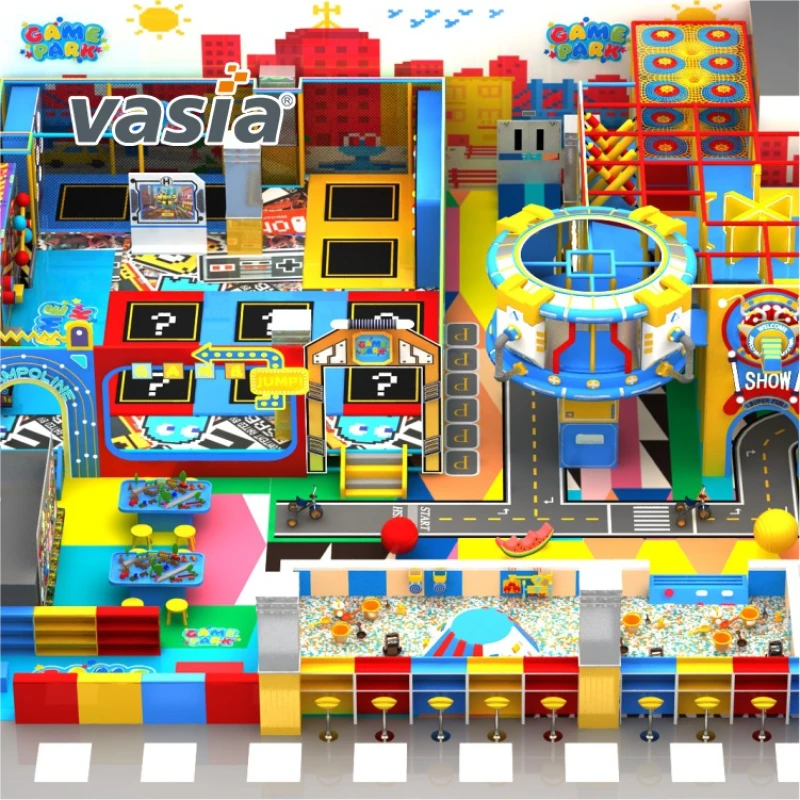
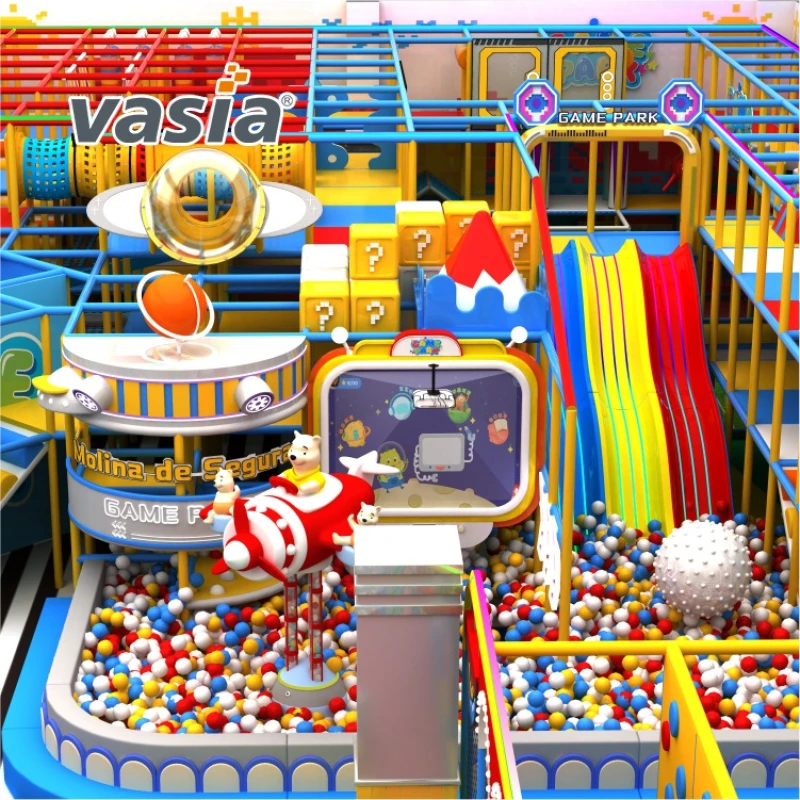
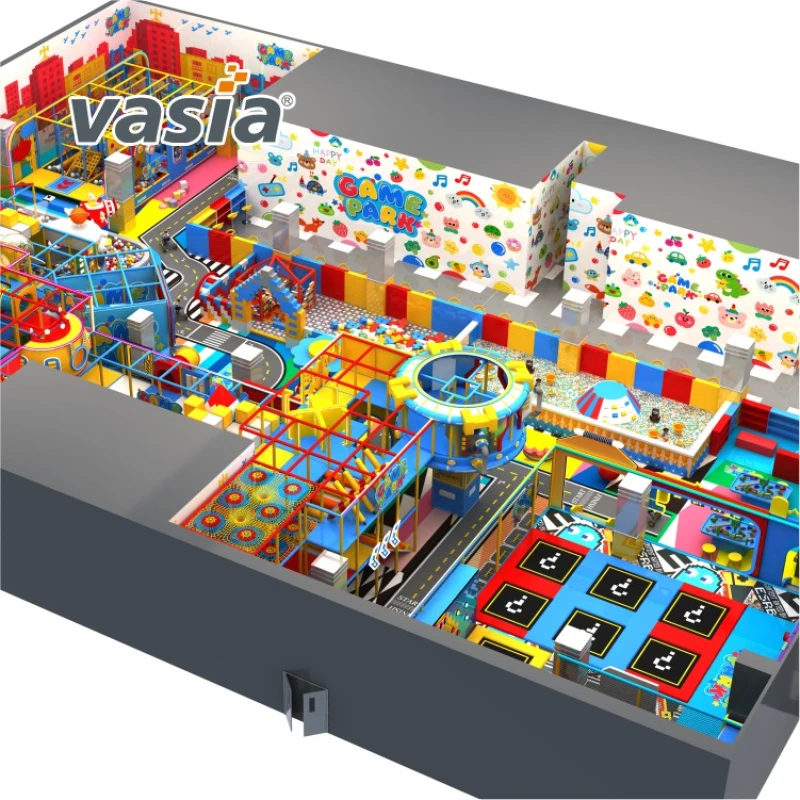
Vasia playground’s Indoor Playground line can be tailored to different themes and layouts. The manufacturer claims its indoor playground products meet ASTM, EN, CSA, AS and NZS standards. Upon request, the Buyer shall provide test reports and certificates to verify that the equipment complies with the rules of its target market.
Inclusive designs allows children of different abilities to play together. Modular parts make installation and maintenance easier. Custom themes help match brands with available space. Owners should work with designers early on to improve visitor flow and sight lines. Careful planning helps keep costs down and supports the profitable business of indoor playgrounds.
Opening an Indoor Playground: Marketing That Fills the Floor
Local and Digital Outreach
Many families search the internet before heading to a new place. Owners should place a high priority on searching for “indoor playgrounds near my home” and “kids’s birthday parties.” This can help local parents find businesses that work for them. Targeted advertising is available when parents, daycare centers and event planners search for these services. Social media ads offer off-season and early-week specials to attract more visitors during quieter times. Web sites should clearly show opening hours, prices and party packages. It should work well on a phone, also.
A strong online presence uses several channels:
- Short TikTok videos with popular voices and hashtags reach more people.
- Photos and videos of themed areas, new climbing structures and inclusive equipment show what makes the venue special.
- Social media posts promote special events and build interest ahead of each event.
- Replying to customer comments and shared posts helps build trust and a sense of community.
- Paid Facebook and Instagram ads help reach target audience.
Local media can also help build trust. Press releases to newspapers, television, radio stations and online media can highlight topical and community interests. Invitations for journalists to visit the venue before opening gives them a chance to see it. Tours for local bloggers, parenting influencers and community leaders can help reach more families. Grand opening events can spark enthusiasm and interest.
Retention and Referral Programs
Filling out a form once is not enough. Repeat visits help keep businesses profitable. Special events for members, such as pizza parties or themed play sessions, make families feel valued. Regular updates through newsletters, social media and email to keep members interested. The channels can share upcoming events, members-only discounts and behind-the-scenes news.
Referral rewards encourage happy members to attract new customers. Owners can offer free monthly memberships or discounts to members who bring friends or family. The following table lists the main procedures.
| Program Category | Recommended Program | How It Works |
| Retention | Exclusive member events | Members-only gatherings such as pizza parties or themed play sessions make families feel valued and invested. |
| Retention | Ongoing communication | Newsletters, social media, and email share upcoming events, members-only discounts, and behind-the-scenes updates. |
| Referral | Member referral rewards | Free months or discounts reward members who bring friends or family. |
Owners should set up these programs before opening an indoor playground. Keeping existing members usually costs less than finding new customers. Regular membership income also helps reduce the impact of seasonal changes.
Operations That Protect Profitability
Staffing and Scheduling Efficiency
Good operations start with the right team. Owners should hire people who enjoy working with their children and provide good customer service. This helps create a welcoming space and reduces problems at the front desk. Training should include security steps, customer service and emergency response. A stable work schedule that meets daily needs and takes into account staff availability and preferences can reduce staff turnover and keep the business running smoothly.
Clear roles are also important. Floor supervisors handles emergency, equipment checks, visitor flow and recording. Safety officers look for danger and report incidents. Maintenance technicians inspect equipment to see if it is being used correctly. Customer service directs visitors during busy working hours and special events, with the Duty Manager in charge. Each character should have a skill list, and the boss should prepare a role chart before starting.
It would be better if the training is broken down into small sections. This should include child supervision, hazard recognition, first aid and CPR, use of equipment and incident reports. At the end of each segment, staff members are expected to complete physical tasks and oral examinations to demonstrate their readiness. Owners shall conduct weekly internal audits during start-up and monthly audits after launch period. Regular team reviews and anonymous feedback channels also help maintain the quality of services.
Tracking Key Financial Metrics
Careful financial analysis translates day-to-day activities into decision-making. Owners should check a small set of indicators once a week and compare each line to the benchmark.
| Financial Metric | Target Benchmark |
| Net Profit Margin | 20%–40% healthy; investigate below 15% |
| EBITDA Margin | 30% or higher |
| Rent-to-Revenue Ratio | 20% or less of gross revenue |
| Labor Cost Percentage | 20%–25% of gross revenue |
| Insurance Cost | 3%–5% of gross revenue |
| Maintenance & Cleaning | 1%–2% of revenue |
| ROI Timeline | 18–24 months; re-evaluate beyond 36 months |
| Revenue Source Mix | Events 30%–50%; F&B 15%–20% |
Income structure is also important. Ordinary tickets alone generate uneven revenue, so successful operators turn visitors into monthly members. Fixed membership income helps pay for fixed costs and encourages customers to spend more on extras. Birthday parties and private events typically generate 30% – 50% of total revenue and a significant portion of profits. Food and drink should make up about 15%–20% of total revenue. Track monthly income, wages and other expenses to help owners check that indoor playgrounds are operating normally. Regular reviews can also help them spot problems early and protect profits.
The outlook for 2026 is realistic. If owners can control costs, set the right prices, fill free time and build multiple sources of income, they can make a net profit margins of 15 – 30%. Profits depend on these factors, not luck.
Owners should focus on a good location, strong party building and membership programs, as well as weekly expense checks. These steps will help turn a promising venue into a successful indoor playground.
Opening an indoor playground requires a solid business plan. Expert advice can make the process easier. Readers can contact Vasia Playground for advice on creating a profitable indoor playground from the start.
FAQ
How much will indoor playgrounds make in 2026?
For well-run venues, net profit margins typically range 15% to 30%. Geographical location, rent and payroll costs are the main reasons for this range. Owners who control costs, set prices and build multiple revenue streams can earn higher margins. Ticket sales alone are not enough.
How long will it take to recoup the initial investment?
According to some case studies, a payback period of 12 to 18 months is a useful target. Additional sources of income could help homeowners resume investing more quickly. A Dubai-based operator has managed to break even in 18 months by offering gaming access, café service and high-end party packages. Larger projects often take longer to repay.
What is the price of the rides themselves?
Commercial indoor rides typically cost between $10,000 and $70,000 to buy and install, with a median price of about $35,000. Prices depend on size and design. Flooring, cushioning, anchoring and building modifications usually cost extra. Overall start-up costs typically range from $50,000 to $500,000.
What safety standards should homebuyers identify?
Vasia Playground said its indoor rides meet ASTM, EN, CSA, AS and NZS standards. Upon request, the Buyer shall provide test reports and certificates to confirm that the equipment complies with the rules of its target market. Local building codes also vary, so permit requirements depend on the location.
Which revenue streams are most important?
Birthday parties and private events typically bring in 30%–50% of total revenue. Food and beverages should account for 15 to 20 per cent of total revenue, with profit margins of 60%–70% cent. Membership provides a steady income. When a source of income brings in less revenue, a mixed source of income helps protect the business.