What Makes a Great Indoor Soft Play Equipment Manufacturer?
A good manufacturer of indoor soft play equipment is safer, uses better materials, offers more customization, produces durable products that meet standards, offer value for money and provide strong support. These qualities affect how well the equipment works every day. Commercial soft play equipment can last 8-15 years, and regular maintenance can extend that. Proper manufacturers can protect children, reduce maintenance costs and keep venues running. Facilities owners and operators need a clear way to compare suppliers. The article gives them a practical list. Readers can compare manufacturers with each point. The following chapters will explain each quality, starting with safety.
Key Takeaways
- Check safety certifications such as ASTM F1918 and EN1176. A test report with the name and model of the laboratory is required.
- EVA foam and galvanized steel are selected. They can handle heavy use and help keep children safe.
- Choose the layout and theme that suits your space and brand. Modular systems allow you to change the settings for different events.
- Not just the price, but the total cost. Long-term equipment can save money on maintenance and care.
- Ask for support after you buy. Good manufacturers offer installation help, care advice and clear warranties.
Safety Standards of an Indoor Soft Play Equipment Manufacturer
Certifications and Testing Protocols
Certification can help buyers narrow down their options when comparing manufacturers of indoor soft play equipment. Each label applies to a market and a test method. ASTM F1487 covers public playground equipment in the United States. ASTM F1918 includes soft-fit indoor rides. It’s the standard most associated with filling play structures. EN 1176 establishes safety rules for playgrounds in Europe. Australia uses AS4685, Canada uses CSA and New Zealand uses NZS. CPSIA covers children’s product safety in the United States. CE, TÜV and SGS marks indicate that the product has been independently reviewed. Check foam parts separately. EVA foam shall have test results for F963, CPSIA and EN71. The results should also indicate that formamide levels were checked.
| Standard or mark | Market or scope |
| ASTM F1487 | US public playground equipment |
| ASTM F1918 | Soft-contained indoor play equipment |
| EN 1176 | Europe |
| AS 4685 | Australia |
| CSA | Canada |
| CPSIA | US children’s products |
| CE, TÜV, SGS | Third-party conformity review |
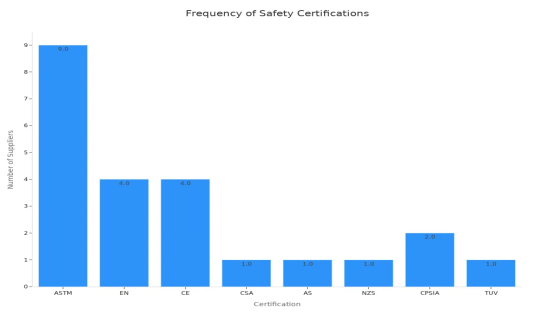
Security documentation is required prior to signing a contract. A numbered test report from an accredited lab (e.g. SGS, TÜV, Intertek or Bureau Veritas) are useful evidence. Check the report number. Without it, the certificate may not be true. Ensure that the certificate contains the exact design, components and materials in the quotation. A valid ASTM F1918 report for a model does not always contain a custom layout. You can also ask manufacturers if they use independent labs or their own labs. Good soft play equipment manufacturers can provide ASTM F1918 reports, EN 1176 test results and product details upon request.
Compliance With Industry Standards
Compliance is a fundamental marker of quality. It’s not extra. Buyers can follow these steps. First, check what safety standards are applicable in the country where the equipment is used. Secondly, choose the appropriate test method according to the different product types. For filler structures, check the an ASTM F1918 test. Then look at the materials and fire safety records. At the same time, check factory records of incoming materials, sewing, finished edges, foam assembly and final inspection. Use factory audit or live video inspection to confirm these records. Next, ask for defect logs and records linking drawings, purchase orders, product batches, and package labels. It is then agreed who will be responsible for installation, final acceptance and handover. Finally, inspect the equipment before turning it on.
Buyers should check the certificate scope, test criteria, product type and destination market rules for each order. A broad corporate certificate cannot cover all parts of an order.
These checks help protect operators. Certificate with the wrong model does not provide legal protection. Test reports without the lab’s name are difficult to verify. Check test and certificate files for security declarations. Vasia says its soft rides meet ASTM, EN, CSA, AS, and NZS requirements. The buyer can check the claim against the documents. Use the same checks for each supplier. Ask about the ASTM F1918 report, read its contents, and check the lab’s name. This helps buyers distinguish between verified safety claims and sales claims.
Material Quality and Durability From Soft Play Equipment Manufacturers
Foam, Vinyl, and Structural Materials
The materials chosen by the company indicate whether the company values quality. Foam is an important part of the filling structure and type is important. EVA foam has sealed cells. It stays strong, waterproof and flexible after long use. Polyurethane foam absorbs water quickly, and heavy use can cause it to fail more quickly. Polyethylene foam is strong and inexpensive, but it can crack under high pressure. EVA is perfect for busy entertainment.
| Attribute | EVA Foam | Polyethylene Foam | Polyurethane Foam |
| Cell structure | Closed cell, firm | Cross-linked, fine closed cell | Open, soft |
| Shock absorption | Good | Good, but hard landings | Superior, broad distribution |
| Durability | Resists water, keeps resilience | Cracks under high pressure | Degrades faster under stress |
| Typical use | Kids play areas | Underlayment, mats | Crash pads |
Vinyl protective foam. Buyers should check the product description. Industrial grade PVC ethylene typically weighs 16 ounces per square yard. It also comes in 14-ounce and 18 options. Fire safety is too important. The mass envelope meets NFPA 701 standards and stops burning on its own. Soft cloth covers should not contain phthalates or lead. Buyers can check EN1176’s testing history.
The frame carries the weight of the equipment. Metal is durable and durable. It must be sealed against rust and coated to help prevent heat injuries. Plastic is not as durable as metal, but it makes falling down safer. Suitable for indoor equipment and young children. A thick zinc layer was added to hotgalvanizing. This layer protects joints from sweat, moisture and cleaning chemicals.
Longevity and Wear Resistance
Durable equipment costs less to maintain. Operators see a difference in their maintenance budgets. Durable equipment requires less avoidable maintenance. It also reduces the risk of downtime and makes costs easier to plan for. A stable plan helps cash flow more than avoiding the cost of a single fix.
A well-made metal frame, properly maintained, can last for decades. Software wears down faster. Nets, PVC covers, trampoline mats, foam pit blocks tend to wear out fastest. When they need to be replaced depends on visitor numbers, cleaning methods and maintenance. Heavy hitters need their own replacement schedule.
Simple cleaning is also important. EVA foam is easy to clean and disinfect. High-quality plastic anti-mold, anti-mold. Non-toxic materials help protect children and make daily cleaning easier. These are trademarks of commercial-grade products. Commercial soft play equipment made to this standard can be durable. The same goes for all commercial rides. Buyers can compare certificates and material records to see the difference between commercial-grade grade buildings and thinner products. These differences affect security, downtime and overall costs in busy gaming areas. A good manufacturer of indoor soft play equipment will record the selection of each material. These records help operators plan for replacement with confidence.
Design and Customization When Purchasing Equipment for Your Play Cafe
Custom Themes and Modular Soft Play Equipment
Design choices can affect the appearance of the venue and children’s use of the space. When buying play café equipment, operators should look for themes, layouts and modular systems that fit their brand. Popular themes include oceans, space, jungles, hunting and role-playing mini-cities. Each theme is suitable for different ages and budgets. Jungle themes are suitable for ages 2 to 8 and are affordable. Mini cities can bring children ages 2 to 7 back for more visits. Custom graphics, bright or pastel colors, and creative shapes make the subject stand out and help children remember it.
Layout matters, too. Portable furniture and flexible layouts help during parties and busy times. Modular soft play systems allows operators to change layouts depending on age or activity. Operators can add new paid attractions without major structural changes. Every design choice should be age-appropriate and supportive. A strong manufacturer has these needs in mind from the start. Vasia Playground offers custom indoor playground design, manufacturing and installation. It also offers custom soft play items that are ready to go. Its layered soft play structure can be adapted to different spaces and age groups.
Quality Control in the Vasia Playground Indoor Playground Production Process
Quality checks occur at every stage of production. First, the team must confirm the design before cutting any material. They check the size of the site, exit routes, capacity, age group and material details. Technical drawings and parts lists show the drawings, material grades and connection methods for each part.
When materials arrive, the team checks steel size, foam density, surface abrasion resistance and mesh strength. During framing and welding, they check jig use, frame angles and tightening records. They check the coating and make sure the filler covers all contact areas. During soft assembly, they check seam strength and fasteners. They also make sure no staples were exposed. Fitting and function testing to see if parts fit, slider connections are smooth and gaps are secure. Before delivery, the team checks the quantity, label and packaging of the goods.
Vasia Playground says itsindoor playground meet accepted standards such as EN 1176. The company also tests products before shipping them. It uses these as basic evidence of quality. Automated machines help maintain consistency of quality in the production process. A 3,000-square-meter project in Spain has been operating for five years with stable revenues and low maintenance costs. The result reflects the quality of its materials, fasteners, cushions and assembly. Buyers of soft-play equipment manufacturers should request these inspections and review safety and testing records.
Cost, Value, and Support From a Soft Play Equipment Manufacturer
Pricing Transparency and Total Value
Low prices do not represent the full cost. Buyers should compare the total value, not just the starting price. Structure influences the base price. A 2-level soft play structure typically costs $100 to $150 per square meter. A 3-level structure typically costs $220-$280 per square metre. These prices include only equipment. The size of the project, attractions, custom design, materials, transportation, installation and future maintenance all affect the total cost. A reliable manufacturer of soft play equipment will explain each item before you sign up.
Suppliers with a clear price list the cost of equipment, transportation, site preparation and installation. The vendor also estimates the operating costs over the useful life of the equipment. Buyers should ask how the selection of materials affects the replacement and cleaning time of parts. Durable commercial-grade products are expensive at first, but over time they can save money. This is part of the value of commercial-grade grade equipment. The cost of being a good manufacturer of indoor soft play equipment is obvious. This helps build trust.
Installation, Maintenance, and Warranty Support
Post-purchase support helps distinguish soft play equipment manufacturers from soft play equipment manufacturers. Professional installation includes anchoring, assembly and installation. Maintenance instructions should include daily checks for sharp edges, loose screws and damaged mesh. They should also include monthly checks of bolts and connections. Professionals should inspect the equipment once a year to detect problems early. A clear timetable helps to ensure the safety and longevity of the equipment.
Read the warranty carefully. Many suppliers offer 18-month supply of galvanized steel, plastic parts and soft parts. Platforms, wall pads and climbing frames typically come a 1-year warranty. This is common in the industry. Buyers should check for things not included in the warranty, such as balls or flooring installed by customers. Vasia Playground offers design, manufacturing and installation all rolled into one. This means support will continue from the original idea to devolution. It also maintains certificates, security records and spare parts with a company.
A good manufacturer of indoor soft play equipment does well in all areas, not just one or two. The purchaser shall check safety record, material quality, product life, design choices, factory quality inspection, total cost and post-purchase support. Good soft play equipment helps protect children, supports safety and lowers maintenance costs.
Buyers can use the list when negotiating with each vendor. The right partner can bring years of value. Happy customers can return and recommend venues. It costs 25 times more to get a new customer than it does to keep an existing one. Reliable soft play equipment support helps protect the reputation and profits of the venue.
FAQ
What documents should homebuyers check first?
Homebuyers should start with the criteria used in the market. ASTM F1918 covers soft indoor rides in the US. EN1176 covers Europe. Buyers should also check the report number, lab name and exact model on each certificate.
How long do commercial soft play devices last?
Commercial soft play equipment typically has a lifespan of 8-15 years. Good care can make it last longer. Metal frames can last decades if properly maintained. Nets, vinyl coverings and trampoline mats wear out faster. How often they need to be replaced depends on visitor numbers and cleanliness.
Can manufacturers customise playing fields for smaller venues?
Yes. ‘ Modular soft play systems can be adapted to different spaces and age groups. Operators can choose themes such as jungle, ocean, space, or mini-city. Movable layouts helps during parties and busy times. Vasia Playground offers custom indoor playground design, manufacturing and installation.
How much is the soft play structure?
A 2-level soft play structure typically costs $100 to $150 per square meter. A 3-level structure typically costs $220-$280 per square metre. These prices include only equipment. Buyers should also plan transportation, installation, site preparation and maintenance.
What guarantees and support should homebuyers expect?
Many suppliers offer 18-month supply of galvanized steel, plastic parts and soft parts. Platforms and wall pads usually have a 1-year warranty. Homebuyers should check what is not included in their warranty. Before signing, they should also ask for installation, maintenance instructions and spare parts.