What to Check in Indoor Playground Production Progress Updates
A useful indoor playground production update shows what is finished, what has been inspected, and what still needs action. It should connect the approved design to the equipment being made. Dated photographs, inspection records, and a clear schedule help buyers check progress before shipment.
Keep this checklist nearby as you read each report:
- Planned dates compared with actual completion dates
- Dated factory photos and signed stage reports
- Inspection results, open defects, and reinspection records
- Project-specific safety requirements and supporting test documents
- Materials and component quantities that match the approved order
- Approved costs and written change orders
Ask your commercial playground equipment manufacturer to agree on these reporting items before production begins. For a Vasia indoor playground order, link each update to the order number, approved drawing revision, and production stage.
Key Takeaways
- Compare planned and actual dates to identify delays early.
- Use factory photographs and inspection records to verify completed work.
- Match materials, dimensions, and quantities to the approved indoor layout.
- Approve the cost and schedule impact of changes before work proceeds.
- Track unresolved issues through reinspection and written closure.
Milestones from Your Indoor Playground Equipment Manufacturer
Planned vs. Actual Project Timeline
Begin with the agreed production schedule. Ask Vasia’s project contact to identify drawing approval, material preparation, frame fabrication, soft padding production, assembly checks, packing, and shipping readiness. Record planned and actual dates separately. Keep the estimated arrival window distinct from factory completion, since transport and customs clearance have their own timelines.
For each delay, request the cause, affected components, responsible person, and recovery date. A revised slide connection may affect frame fabrication and padding, while a missing hardware batch may hold up packing. Check whether the recovery plan changes the shipment or installation date. Avoid accepting a new completion date without an explanation of the remaining work.
Phase Completion Proof
A milestone should close only when the agreed evidence is available. For each stage in your Vasia order, use a checklist with the task, responsible person, planned date, actual date, and approval record. Vasia’s published service workflow includes engineering drawings, metal processing, soft padding, and quality control. Use these stages to organize project-specific evidence rather than relying on a general factory introduction. Reference: Vasia playground
- Design approval: approved layout, structural drawings, component list, and written sign-off
- Fabrication: dated frame and connection photos, dimensional records, and a stage report
- Finishing: surface-finish checks, padding and cover inspection records, and labeled component photos
- Shipping readiness: completed packing list, release record, and transport booking details
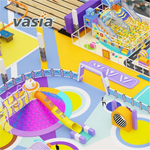
Factory photographs should show the actual order in progress. Request views of frame processing and soft padding production, with component labels visible. A rendering can explain the intended layout, but it cannot show whether the equipment has been manufactured or inspected.
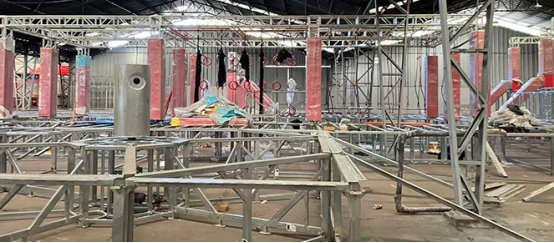
Keep exceptions separate from completed milestones. If a component needs rework, leave that item open and record its effect on later stages. At the next review, check the promised action against the new evidence. A photograph of finished parts should not close an unresolved dimensional or material issue. The report should make it clear which items are ready and which still require approval.
Quality Control in Indoor Playground Equipment Updates
In-Process Inspection Checkpoints
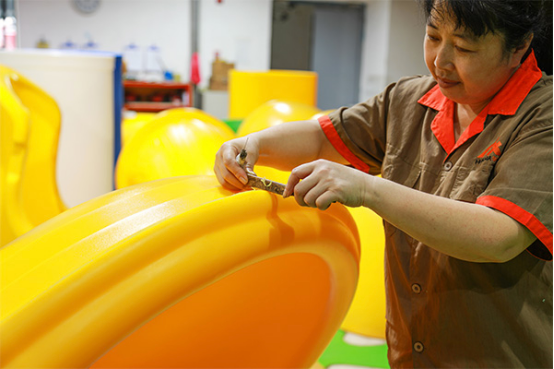
Vasia describes metal cutting, welding, polishing, coating, and foam-and-cover fabrication in its production workflow. For your order, ask the team to confirm the inspection plan for these operations. Suggested checkpoints include incoming materials, frame dimensions, weld condition, finished edges, padding coverage, cover seams, net attachment, component fit, and packing. The exact checks and acceptance limits should follow the approved drawings and applicable requirements.
Match the evidence to the item being checked. A frame inspection should include measured dimensions and the relevant drawing reference. A soft padding check should cover the specified foam and cover materials, seams, exposed edges, and fastening method. Where trial assembly is agreed, request photographs showing the connections between frames, platforms, slides, and protective elements. Use a table to connect the checks with the risks they address:
| Production | Incoming-material records, frame and connection checks, padding inspection, assembly verification, and defect tracking |
| Risks addressed | Incorrect dimensions, poor component fit, exposed hard edges, damaged covers, and missing protective parts |
This proposed inspection structure should be confirmed with Vasia for the specific project. Each report should identify the inspector, date, acceptance criteria, and result, so the buyer can distinguish completed inspections from work still awaiting review.
Records and Corrective Actions
Every failed check needs a record that identifies the component, defect, location, severity, and required action. Assign an owner and a deadline. On a Vasia project, ask the project contact to link the issue to the affected drawing or material batch. Hold the affected item from release until the agreed correction and reinspection are complete.
Before-and-after photos help show the repair, but they do not replace measurements or tests where these are required. A frame made to the wrong dimension needs a new measurement record; a damaged cover needs inspection after replacement. Close the issue with the reinspection result, date, and responsible person’s approval. Keep these records with the final shipment documents.
Safety Compliance and Material Verification
Standards and Certifications
Confirm the requirements for the destination market and the actual play system before production. ASTM F1918 addresses soft contained play equipment. EN 1176-10 covers additional requirements for fully enclosed play equipment and should be reviewed with the relevant parts of EN 1176. These references do not automatically apply to every attraction or prove that a custom project complies. Ask Vasia to identify the agreed standard editions, report numbers, tested models or materials, and any gaps requiring further review. Check local fire, access, evacuation, and installation requirements with the responsible project professionals. For an indoor venue, confirm ceiling height, columns, entrances, sprinkler and HVAC locations, and access for installation. Plan the completed installation inspection before opening.
Materials, Components, and Indoor Playground Equipment
Use the approved material schedule as the reference for each update. Vasia’s published workflow identifies galvanized steel, EPE foam, PVC covers, and molded plastic components. Confirm the actual specification for your order rather than assuming all products use identical materials. Request receiving records and relevant material reports, and require written approval before any substitution. Where fire-performance or chemical testing is specified, check that the report covers the material supplied.
| Aspect | Risk | Control | Evidence |
| Material selection | Unapproved substitutions | Approved specifications, written substitution approval, and batch tracking | Material reports, labeled photos, and receiving records |
Match component labels to the layout and packing list. Check slide sections, ball-pool panels, climbing elements, rope bridges, platforms, netting, and protective padding against the ordered quantities. Confirm critical dimensions before fabrication release, then check the manufactured parts against those drawings. Record any design revision in the component list so the factory, buyer, and installation team use the same version.
Cost Tracking and the Indoor Playground Setup Process
Budget Summaries and Change Orders
Start with the approved quotation and show each change separately. Record what changed, why it changed, the affected drawing, added or removed materials, labor, packing or freight impact, and any schedule adjustment. For an illustrative indoor playground example—not an actual Vasia quotation—assume a USD 50,000 equipment order. A buyer requests a revised slide connection and an additional padded platform after drawing approval. If the approved change adds USD 1,200 for components and USD 300 for drawing and assembly work, the revised equipment total becomes USD 51,500. State separately whether taxes, transport, and installation are included, and confirm any effect on the delivery date.
“Approve the revised drawing, price, and schedule in writing before the changed components enter production.”
For a Vasia order, track costs across design, manufacturing, packing and transport, and installation according to the contract scope. Show the original amount, approved additions or deductions, current total, and pending requests. Do not count a proposed change as approved spending. If a venue measurement changes, update the affected drawings and component list together so the price matches the work to be supplied.
Issue Logs and Response Times
Keep buyer questions, production defects, and design decisions in one issue log. For each item, record the order reference, affected component, responsible party, due date, current status, and closure evidence. Use clear statuses such as awaiting buyer decision, under correction, awaiting reinspection, or closed.
| Open items | Unresolved drawing questions, component defects, missing parts, or document gaps | Issue register with responsible party, due date, status, and closure evidence |
Agree on response times with Vasia‘s project contact before production starts. Distinguish an initial reply from a completed technical answer. If a missing decision affects production or safe use, define who receives the escalation and which work must pause. Review overdue items in the next report and record the revised action date.
Before shipment, review the release record, packing list, and any remaining issues together. Confirm package quantities, component identification, protective wrapping, hardware bags, and installation documents. After loading, request dated photographs showing package placement and securing, plus the container and seal numbers where applicable. A booking confirmation shows transport is arranged; it does not prove that the goods have shipped.
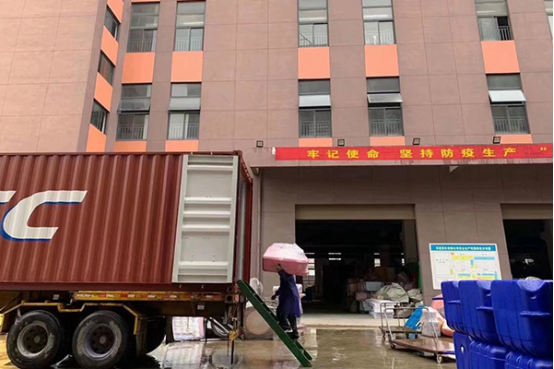
Packed indoor playground equipment loaded and secured for shipment.
Ask Vasia to agree on this reporting format at the start of the order and use it through dispatch. The final handover should include approved drawings, relevant inspection records, the packing list, and installation and maintenance documents within the agreed scope.
FAQ
How often should I expect a progress update?
Agree on a schedule before production begins. Weekly reporting is a practical starting point, with additional updates at drawing approval, key inspections, packing, and dispatch. Ask for prompt notice of any issue that changes the agreed cost or delivery date.
What should I do when a milestone slips?
Request the cause, affected work, recovery action, and revised date. Check whether the delay changes shipping or installation. Review the recovery evidence in the next report rather than treating a revised date as proof that the problem is solved.
Which photos actually prove progress?
Use dated photos of your order’s frame fabrication, padding work, inspection, packing, and loading. Labels should connect the parts to the drawings or packing list. Keep renderings for design explanation; use factory records and real photographs to verify production.
How do I verify materials without visiting the factory?
Compare the approved specifications with batch records, receiving checks, and relevant test reports. Ask for labeled photos or a live video review of the actual parts. If a critical item cannot be verified remotely, agree on an independent inspection before shipment.
What belongs in an issue log?
Include the affected component or document, the problem, the owner, the due date, and the evidence needed to close it. Record buyer decisions as well as factory actions, and keep unresolved items visible until the agreed checks are complete.