What Makes a Playground Proposal Easy to Compare
Five things separate a clear playground proposal from a confusing one: standard specs, itemized costs, clear compliance, defined application fit, and consistent formatting. You probably get bids that look the same on the surface. But they hide real differences in specs, pricing, and safety compliance. That makes buying a playground slow and risky. This guide gives you practical checks for comparing proposals side by side with confidence. You will learn what a commercial playground equipment manufacturer should document and how to spot gaps before you sign. Use these factors to compare every bid on equal terms.
Key Takeaways
- Standard specs list materials, sizes, and parts in the same way. This helps you compare bids fairly and avoid missing costs.
- Itemized costs split the price into equipment, freight, site work, and installation. You can see where your money goes and catch hidden fees.
- Clear statements of compliance with applicable safety standards, together with warranty details, help you check every bid against the same criteria.
- Defined application fit shows how equipment matches your space with layouts and surfacing plans. You can confirm the design works for your building.
- Consistent formatting uses the same sections and units across bids. This saves review time and helps you assess long-term value as well as price.
Specs a Commercial Playground Equipment Manufacturer Should Standardize
A good commercial playground equipment manufacturer uses the same specification categories throughout a proposal. This makes missing information easier to spot and helps you compare quotes. When every bidder describes equipment in the same way, you can assess differences in materials, dimensions, and scope without guessing.
What a Clear Spec Sheet Includes
A clear spec sheet covers six areas. Check that each proposal covers all of them:
- Materials: the base, finish and hardware used for each part.
- Dimensions: overall footprint, platform heights and clearances.
- Components: every play element, connector and fastener listed by name.
- Age-appropriate design: the intended age band and how the layout supports it.
- Durability ratings: expected service life and the conditions behind that rating.
- Manufacturing evidence: factory information, quality checks, and test documents.
Vasia Playground lists materials, components, and customization options for its Indoor Playground range. Ask for these details in a consistent format so you can compare bids based on the same project brief. If a proposal omits expected service life or manufacturing evidence, request that information before completing your review.
Why Matching Specs Enable Fair Bids
Matching specification terms lets you compare line items directly. One proposal may list a “soft play structure” as a single item, while another divides the same area into slides, tunnels, and padded platforms. Similar prices do not necessarily cover the same scope. Check the component lists and quantities to confirm that both bids include equivalent commercial playground equipment.
Detailed specifications also provide a written baseline for delivery checks. A vague proposal makes substitutions harder to identify after approval. Ask every bidder to use the same headings and units, and record the agreed materials, dimensions, and components in the contract.
Building Comparable Playground Quotes with Itemized Costs
A useful quote lets you trace the total back to individual items. Ask each bidder to identify equipment quantities, unit prices, and related services. You can then compare charges for equivalent work and spot missing items before they lead to extra costs.
Line Items That Reveal the True Price
Ask every bidder to separate the price into four cost categories. Equipment covers play structures, components, and hardware. Freight covers shipping, unloading, and delivery to the site, as agreed. Site work covers floor preparation, utilities, and required building changes. Installation covers labor, supervision, and commissioning. Each category should have its own subtotal and a clear list of inclusions and exclusions.
| Cost Line | What It Should Cover |
| Equipment | Structures, components, hardware, spare parts |
| Freight | Shipping, unloading, delivery to site |
| Site work | Floor preparation, utilities, structural changes |
| Installation | Labor, supervision, commissioning |
This breakdown shows whether a lower total comes from equipment pricing or a smaller service scope. It also lets you compare freight and installation charges separately. Check the stated delivery point and installation responsibilities before treating two prices as equivalent.
Spotting Bundled or Hidden Costs
A “turnkey price” or “all-inclusive package” may combine several costs into one total. These terms do not explain what is included. Request a breakdown and a written list of exclusions, even when the supplier offers a fixed package price.
A package price can work for a small, straightforward project, but its scope still needs to be clear. Larger commercial projects usually involve more freight, site work, and installation variables. Separate prices make those differences easier to review.
A realistic playground budget also accounts for protective surfacing, accessible routes, and compliance documentation. These items may fall outside the base quote. Ask the commercial playground equipment manufacturer to confirm which are included and price any exclusions separately.
Compare the same four cost categories and the same additional items across all bids. Record any unresolved exclusions before selecting a supplier so they do not become unexpected charges after signing.
Clear Compliance, Warranties, and Equipment, Freight, Site Work, and Installation Scope
Clear compliance statements make proposals easier to review. Each bid should identify the applicable equipment standards and the documents supporting its claims. A general phrase such as “meets safety codes” does not provide enough information to compare bids.
Safety Standards and Certifications to Confirm
Ask each bidder to identify the specific standards applicable to the equipment and destination market. Broad references to ASTM, EN, CSA, AS, or NZS alone are not enough; request the standard numbers and editions. Any compliance statement from Vasia Playground should appear in the proposal and identify the products it covers.
Request supporting test reports and certificates as attachments. Check that they match the models, materials, or configurations quoted and identify the standards used. Resolve gaps between the proposed equipment and the supporting documents before approving the bid.
Warranty, Support, and Installation Terms
Confirm which warranty is included in the price and whether extended coverage costs extra. Compare the warranty period, exclusions, and responsibility for parts, labor, and shipping. Ask how after-sales requests are handled and what response times the supplier offers. For a Vasia Playground proposal, confirm the design, manufacturing, and installation services included in the agreed package.
Assign responsibility for each stage of delivery and installation. The quote should state who unloads the shipment, prepares the site, assembles the equipment, and completes commissioning. Clear handover terms help prevent gaps between the supplier, installer, and site contractor.
Defined Application Fit and Protective Surfacing
A proposal should show how the equipment fits your building. It should record the usable area, clear height, column spacing, entrances, and circulation routes. Missing site details make it difficult to judge whether the proposed layout will work.
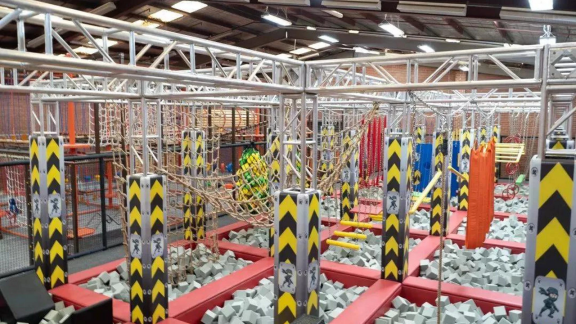
Vasia Playground’s Indoor Playground project in Melbourne is a good example of this approach in action. It’s a roughly 1,100 sqm jungle-themed adventure park with ball play, slides, ropes and trampolines all in one place. The planning was done using 2D layouts and 3D design to position each of the attractions in relation to the actual building. At site plan level you can check access, waiting areas and maintenance routes before you commit.
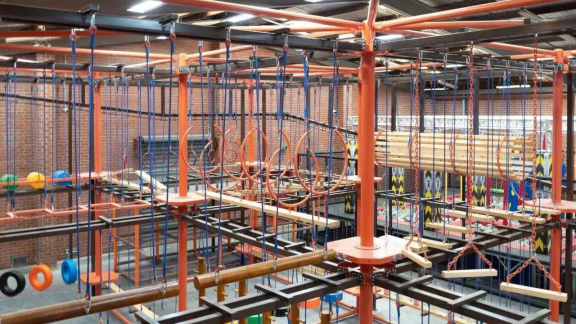
Matching Equipment to Indoor Play Space
Your site plan should show fixed constraints, including columns, walls, doors, and ceiling height. Check each play element against those constraints. Slides need clear run-out areas, trampolines need adequate overhead clearance, and circulation routes should keep users away from moving equipment.
Compare how each proposal addresses these limits. The drawings should state the footprint and required clear height of each structure and show routes for staff and visitors. If similar equipment appears in different positions across bids, check how each layout handles access, supervision, and maintenance.
Surfacing, Accessibility, and Age Groups
Protective surfacing belongs in every comparison. Ask each bidder to mark the required use zones and fall areas and specify the surfacing system, thickness, and impact performance for the proposed equipment. Confirm whether the price includes supply and installation. Each proposal should also state the intended age groups and show how toddler areas, climbing structures, and access routes are arranged. Compare the surfacing specifications, accessible routes, and age zoning across all bids, with the applicable local requirements clearly identified.
Consistent Formatting for a Realistic Playground Budget
Consistent formatting makes bids easier to scan. Ask every bidder to use the same section order, units, and terminology. If one quote uses square feet and another uses square meters, convert them to a common basis. If suppliers use different names for the same component, such as “play panel” and “activity board,” confirm that the specifications match. Standard formatting removes this extra work.
Formatting Habits That Make Proposals Scannable
Give each section a clear heading and use the same table columns across bids. Show prices in a common currency and on the same unit basis. Ask bidders to label attachments with the sections they support. These habits help you find corresponding information quickly.
Use separate entries for one-time costs and recurring expenses. Record any allowances for inspections, replacement parts, and maintenance, and distinguish confirmed prices from estimates. This makes the budget easier to update as project details are finalized.
Comparing Long-Term Value, Not Just Price
Long-term value depends on service life, maintenance needs, and support. Ask bidders to explain their service-life estimates and provide maintenance schedules. Compare how often parts may need replacement, their cost, and their availability. A higher initial price may offer better value if it reduces repair costs and downtime.
Use the same checklist for every bid: matching specification units, itemized costs, named compliance standards, documented site fit, and consistent section order. Mark each item as complete, incomplete, or requiring clarification. This creates a clear record of the reasons behind your decision.
Before approving a proposal, send the supplier a single list of outstanding questions. Ask for the answers to be incorporated into a revised proposal so the agreed scope is not scattered across emails and attachments.
Keep the final proposal, drawings, cost breakdown, and supporting documents together, with matching revision dates. This gives the purchasing and installation teams a common reference for the work that has been approved.
FAQ
Which documents should you request alongside a playground quote?
Request specification sheets, relevant test reports and certificates, a written warranty, and a maintenance schedule. Check that the documents match the quoted equipment and reference them in the proposal.
How do you compare bids when one bundles freight and installation?
Request separate amounts for equipment, freight, site work, and installation, along with any exclusions. Compare totals only after confirming that each bid covers the same responsibilities and services.
What site details should a proposal confirm before you approve it?
Confirm usable area, clear height, column spacing, entrances, and circulation routes. Request dimensioned layouts showing equipment positions, access, and maintenance space; use 3D views to help visualize the design.
Does a lower base price always mean a better deal?
No. Compare the complete project scope, expected maintenance costs, warranty terms, and spare parts availability. A low equipment price may exclude services or materials that another bid includes.
Which safety standards should appear by name in each proposal?
The proposal should identify the exact standards and editions applicable to the equipment and destination market. General labels such as ASTM, EN, CSA, AS, or NZS are not sufficient on their own. Ask for supporting documents tied to the quoted equipment.