
Comparing Soft Indoor Playground Equipment and Traditional Playgrounds The Ultimate Guide
You’re standing in an empty room. You imagine kids laughing, crawling, racing down the slide. Now you face a difficult indoor choice. Should you install indoor soft play equipment or build a traditional outdoor structure? Many parents, teachers, facility planners have these questions. The indoor children’s play equipment market is estimated to reach USD 18.6 billion by 2024, according to DataResearch. It can be seen that indoor play spaces demand is strong. The right choice depends on safety, age, space and your goals. Soft indoor play equipment and traditional outdoor structures have obvious advantages. This playground guide compares the two options side by side.
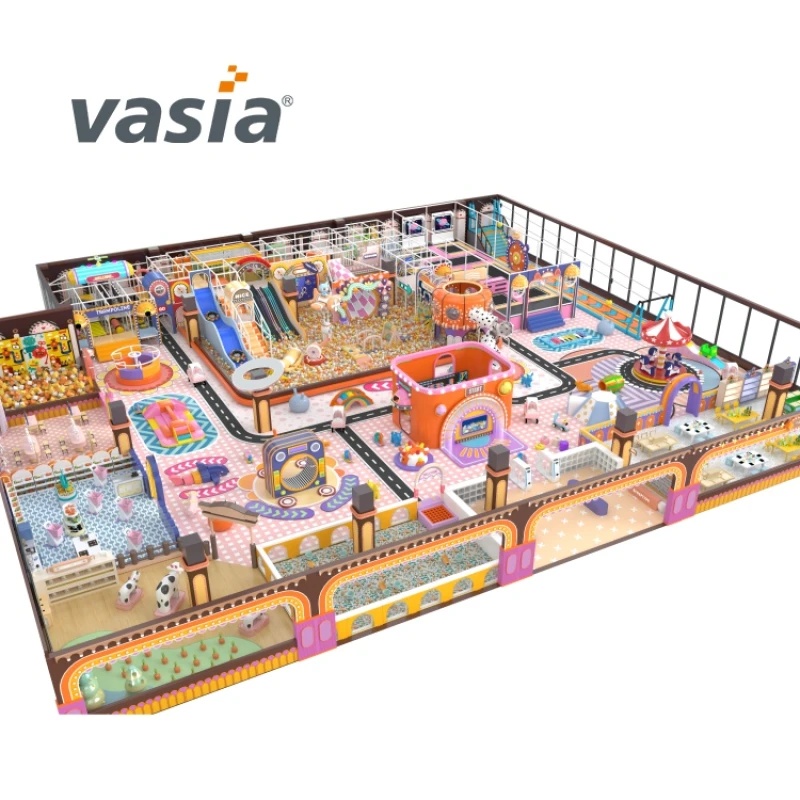
Key Takeaways
- Soft indoor playing fields can reduce the risk of falls and injuries. They can help keep toddlers and preschoolers safe.
- Regular playtime can help older kids get stronger and more confident. They use taller slides and more climbing challenges.
- Think age, space, budget and climate. These factors can help you choose the right playground.
- Hybrid playgrounds blend the two. They offer indoor safety and outdoor adventures.
What Is Soft Indoor Playground Equipment?
Indoor soft play equipment refers to cushioned play equipment for safe indoor spaces. These systems focus on safety and comfort. They don’t care about height or speed. You can find them in family recreation centers, daycare centers and shops. The main purpose is to protect young kids. In the meantime, kids can explore and stay active.
Key Features and Materials
The company makes soft rides with foam and cover systems. The interior features a high-density EVA or PU foam. Antibacterial and easy to clean vinyl cover wraps foam. Soft play surfaces need frequent cleaning. Vinyl covers must comply with fire safety regulations such as NFPA 701. Ask sellers for foam density details. Also check that the material meets CPSC limits for lead and phthalates.
The list of materials includes more than foam. Ball pit balls are usually made of LDPE plastic and are about 76mm or 80mm wide. Rotomolded LLDPE for molding play parts. Polyester or nylon netting supports walls and high platforms. EPE foam provides firm fillings and keeps its shape better than regular sponge foam. EVA mats offer interlocking jigsaw-style flooring. These materials work together to make layered soft play structures with slides, tunnels, and climbing areas.
EVA foam has several benefits. It provides a soft and cushioned surface to play on. It absorbs shocks and helps reduce the risk of injury. EVA also features thermal insulation, waterproofing and good durability. Closed-type foam is often used because it is more water-resistant. This helps keep soft playground areas clean.
Where It Works Best
Modular designs fits well together and is suitable for small indoor spaces in toddler areas. This makes soft play equipment a good option for small indoor playgrounds such as cafes, malls and daycare centers. These systems are lightweight. When your needs change, you can move and rearrange them.
Common venues include daycare centers, retail stores, shopping malls, restaurants, cafes, health facilities, hotels, resorts, community centers and adventure centers. Soft play equipment is available in any indoor space for children. Powerful design can handle a lot of use and maintain quality. This gives you a flexible play solution that keeps kids active all year round, no matter the weather.
What Are Traditional Playgrounds?
You may remember a traditional playground as a kid. Such playgrounds use metal, wood or hard plastic. Swings, slides and climbing frames are common parts. Traditional playing fields focus on height, speed and physical activity. They were built in open spaces. They put children at risk for safety and test their skills. The main goal is simple: to be active outdoors.
Key Features and Materials
Traditional playgrounds use sturdy materials to cope with different weather conditions. Wood gives the playground look natural. Cedar and mahogany resist decay. Stress-treated wood is resistant to decay and insects. Timber needs to be regularly dyed or sealed to help prevent debris.
Metal is strong and can last for many years. Steel and aluminum can cope with heavy use and bad weather. Metal heats in direct sunlight. The coating helps keep metal from rusting.
Plastic can reduce costs and give you more design choices. Rotomolded plastic does not rust or create debris. It was also cooler than metal in the sun. But it may not last as long as metal or wood.
Composites mix wood fibers with plastic. They resist dampness, decay and fragmentation. They don’t need much maintenance either.
The sliders are linear, wavy and spiraling. .
| Material | Key Characteristics | Best For |
| Metal | High strength, solid structural support, heat retention in sun | High-traffic parks, schools, large structures |
| Plastic | Versatile, temperature-friendly, low maintenance, lower strength | Daycares, early childhood playgrounds, themed areas |
| Wood | Natural appearance, insect and moisture resistant with treatment | Nature-themed playgrounds, residential parks |
| Composite | Eco-friendly, weather-resistant, higher upfront cost | Sustainability-focused parks |
Wood structures can last 15 to 25 years, provided they are properly maintained. Depending on the climate, metals can last 5-10 years. You need to balance maintenance with the life of the material.
Where They Work Best
Traditional playgrounds are suitable for outdoor spaces such as parks, schools and housing estates. They need open ground and proper drop surfaces, such as rubber mulch.
These playgrounds depend on the weather. Rain, snow and extreme heat will limit their use. They are also less flexible. You can’t easily move a steel slide or a wooden climbing frame. Once the playground is installed, the layout usually remains the same. This gives you less flexibility than indoor play space.
Traditional playgrounds pose many physical challenges for children. Older children and teenagers can climb high, swing fast and use tall slides. They help build strength and confidence. Shorter slides work well for younger children. The safety of these playgrounds depends on the correct installation and proper drop surfaces.
Safety Compared: Soft Indoor vs Traditional
Safety is a top priority for every parent and facility planner. You need to understand the risk of injury and supervision needs in both play settings.
Soft play equipment uses cushions and non-toxic surfaces. These surfaces soften waterfalls. Traditional playgrounds use harder materials such as metal and wood.
Vasia Indoor Playground products meet ASTM, EN, CSA, AS and NZS safety standards. This will give you peace of mind.
Injury Risks and Surfaces
The ground beneath the playground can change the severity of an injury. Traditional playgrounds use surfaces such as bagged rubber or wood chips. Bagged rubber requires a depth of 3.5 inches for an 8-foot drop. A 5-inch layer can support a drop to 16 feet.
EVA foam tiles are commonly used in Soft Indoor Playground Equipment These tiles are suitable for low impact or temporary play areas. They have a lower critical drop height rating. Soft cushions can help reduce the chance of serious injury. Indoor slides can also be placed at safer heights. This gives it easier to manage your fall risk than a tall outdoor slide.
The indoor playground designed by Vasia partially complies with ASTM, EN, CSA, AS, and NZS safety requirements.
Supervision Needs
In both cases, Supervision needs are different. Indoor play areas allow you to see most of the space at once. Soft surfaces can reduce the risk of serious injury from falls. You can focus more on teaching the kids to play together and take turns. You can also arrange an indoor space so staff can have a clear view of the play area.
Traditional playgrounds need tighter regulation. Children climb tall buildings and use swings. Keep a close eye on what they’re doing. Hard surfaces can make falls more harmful.
Both settings require active oversight. Indoor space gives you more control over the play area. The correct surface and supervision plan depends on children’s behavior and your safety goals..
Developmental Benefits for Kids
Soft play equipment and traditional rides help children grow. Both can develop physical skills, social skills and thinking skills. The type of playground you choose affects your child’s learning and development.
Physical and Motor Skills
Climbing, crawling and sliding can help young children build early motor skills. Soft interior allows toddlers to practice balance on padded steps and low tunnels. These soft surfaces reduce the fear of falling. This will give the child more confidence to keep practicing.
Traditional playgrounds have higher climbing walls and faster slides. These challenges allow school-age children to test their skills. Both settings help improve coordination and muscle strength. Indoor playground equipment keeps children active all year round. Rain and snow will not affect indoor play.
Social and Cognitive Growth
Social plays activate the brain’s reward system. Studies have shown that dopamine and oxytocin can support positive interactions, such as taking turns. Free play with other children helps the prefrontal cortex develop. This part of the brain helps control impulses and make social decisions.
The American Academy of Pediatrics supports social play as an important component of children’s development. Bandura’s Social Learning Theory of social learning says that children learn by observing others. One child may see another child asking to turn on the slide. Kids can learn how to take turns by watching.
Vygotsky’s Sociocultural Theory says that children can learn to cooperate with help of peers. Parallel plays can include early reading for ages 2-3. One child slides, the other followed. At ages 4 to 5, collaborative play involves chatting, sharing characters and making simple decisions together.
Imaginative play can also help children develop thinking skills. Colorful indoor playgrounds can spark a child’s imagination. They may pretend to travel to the jungle or explore a fantasy world. This type of play can foster children’s creativity and help them think new ideas.
Kids can turn open indoor rides into castles, spaceships or mountains. This helps them develop creativity, storytelling and problem-solving skills.
For preschoolers ages 3 to 5, imaginative play areas can support creativity and language skills. Simple problem-solving equipment can also help develop thinking skills.
At that age, co-operative plays start to grow. It teaches children to share and follow simple social rules. These skills can support thinking and social development.
Space, Cost, and Maintenance
Installation and Space Needs
Indoor and outdoor playgrounds require different types of space. Outdoor playgrounds need open ground, good drainage and soft surfaces such as rubber mulch. Indoor play areas are suitable for use in buildings. Check the ceiling height before buying equipment. The table below shows the common net heights for different playground designs.
| Playground Concept | Typical Early Planning Clear Height |
| Toddler play areas, role-play villages, sensory play | ~3.0–4.0 m (10–13 ft) |
| Low soft-play structures and compact family play areas | ~4.0–5.0 m (13–16 ft) |
| Standard multi-level soft play | ~5.0–7.0 m (16–23 ft) |
| Large soft play with taller tube slides | ~6.5–8.5 m (21–28 ft) |
| Ninja courses, climbing attractions, high rope elements | ~7.0–10.0 m (23–33 ft) |
| Selected trampoline parks with performance attractions | ~7.5–10.0+ m (25–33+ ft) |
No single minimum height applies to every playground. This depends on the type of device, safe space and design requirements. You can estimate a basic height range, but don’t make it a legal minimum.
The actual height of the project depends on equipment and structures, the required overhead space and safety distances, building structures, restrictions on fire protection and construction services, local building codes and approval by the competent authority.
Putting different parts together is also different. Outdoor structures often require concrete pedestals and heavy equipment. Interior systems are assembled using modular components. As a result, smaller indoor playgrounds are often easier to set up. Vasia designs, manufactures and installs its Indoor Playground products.
Long-Term Costs and Upkeep
Upfront costs depend on size and materials. Outdoor commercial rides tend to be more expensive to install because venues require more work and safety surfacing. Indoor systems are usually cheaper to install, but they require a building.
Long-term maintenance is different, also. Outdoor equipment can be exposed to rain, sunlight and temperature changes. You need to always check it for rust, debris and loose bolts. Wood needs dyeing and metal needs repainting.
Indoor equipment requires less maintenance because of weather. You mainly need to clean vinyl surfaces and check foam mats. This saves time and money.
Both types require regular safety checks.
Choosing by Age Group
Your child’s age will help you choose the right device. Each stage of growth requires a different type of challenge. You need to match the equipment to the skills your child is learning. Proper play space helps kids develop physically, learn social skills and build confidence.
Toddlers and Preschoolers
Soft play equipment provides a safer place for toddlers to play. Toddlers and preschoolers need padded surfaces to make the descent soft. Their coordination is still developing, their bones are still growing. Falling down low foam steps usually causes less damage than falling off a metal climbing frame. So soft indoor rides are a good option for this age group. It gives kids a place to explore and reduces risk of injury.
Small indoor slide for young children to play on their own. They can climb, crawl, slide, and not be so scared. Filling the space also encourages them to explore. You can watch them build confidence as they learn new skills. Crawling through tunnels can help them understand space. Climbing low foam steps helps with leg strength. Ball pits feed their senses through colorful plastic balls. Each activity helps develop different skills.
Vasia designs play areas for kids of all abilities. Every child should have the opportunity to move and play freely. For this age group, safety is paramount. When you watch them play, that focus on safety is calming, also.
Bright colors and themed designs help spark young people’s imaginations. A toddler might explore a jungle-themed soft play structure. Another child might pretend to be flying in space. These activities support the development of young children through active indoor play. Theme spaces encourage creativity, and soft surfaces help protect kids from playing.
School-Age Children and Teens
Older kids want a bigger challenge. Soft indoor rides still work, but traditional structure gives them more physically challenging. Age-appropriate kids test their limits as they grow up. They need equipment that builds strength and endurance.
Monkey bars and rope structures build upper body strength, grip and coordination. Kids need to be hung, pull, through the bars. Geometric domes, rock walls and mesh climbers exercise similar muscles by hanging, pulling and climbing. Freestanding climbers let kids explore on their own. Kids need to decide what to do next. This helps to develop mental and physical skills. Each structure gives kids a chance to take a safety risk. These experiences help build confidence and physical skills.
- Variety-Offers different types of plays such as uppercut, climbing, rocking, sliding, spinning and balancing.
- Skill Levels-Provides equipment of different skill levels. Includes entry-level, intermediate and advanced options. This can help kids develop skills and learn to take safe risks.
Older kids benefit from this process. Beginners can try low-net climbing. Intermediate users can try higher rock walls. Advanced users can move on monkey bars. Each level is built on the previous level. Standalone structures like this encourage kids to explore, take risks and develop motor skills through focused play. Children stay interested as they learn new skills. That gives them more reason to come back and try harder.
You can mix soft play equipment with traditional equipment. Facilities offer soft play for toddlers and traditional rock climbing for older kids. This combination can serve people of all ages in one place. You can also use soft play equipment in quiet places where kids can have a sensory break.
Indoor rides and higher slides work well in large facilities. Traditional outdoor structures offer higher options. You can choose according to the level of challenge. Faster slides can give teens more excitement.
At this age, kids focus on physical strength and social confidence. They learn to judge risk. They also learned to hang in there when the climb is difficult. These skills can help them in other areas of their lives. Older kids develop resilience through physical play. They also build confidence as they master each new challenge.
Choosing by Space and Setting
The space you have and the weather you live in influence your choices. Indoor rides are working in malls and daycare centers. Traditional buildings work well in parks. You should match the equipment to space and weather.
Indoor vs Outdoor Venues
Indoor space requires rational use of limited floor space. Urban daycare centers tend to be small. You need a plan to use every corner wisely. A good plan includes activity areas, social areas and security checkpoints.
Modular systems can accommodate many activities in a small space. A unit can include a slide, a climbing net and a sensory board. Vertical climbers use space above the ground rather than more building space. They give the child a physical challenge without taking up extra space.
Freestanding equipment, such as swings or spinners, gives you more flexibility. You can place them in place and move them when you need to.
In small indoor spaces, safety is a top priority. Every piece of equipment needs space. Flooring surfaces must help protect children from falling. A good line of sight lines allows you to watch each child from one place. Different age zones keep toddlers away from older and more active kids. These steps help to meet safety standards and make good use of available space.
Vasia serves schools, malls, amusement parks and residential areas. Each place needs a different plan. Schools need equipment that is routine and manageable. Shopping centres need an eye-catching attraction to attract families. amusement park need equipment that can accommodate many people. Vasia designs custom layouts for each scene.
Climate and Weather Factors
Exposure to the Sun for long periods can damage outdoor plastic. Colors fade and materials become brittle. You can slow this process by using ultraviolet light to stabilise plastic and reflect the lighter colours of heat. Shade structures can also help extend the life of outdoor equipment. Even with these steps, outdoor equipment needs to be regularly inspected and replaced with sun-damaged parts.
Indoor equipment avoids direct UV damage from sunlight. But strong indoor light and sunlight through windows can still cause discoloration. LLDPE plastics used indoors should be UV-resistant and fade resistant. Thicker plastic can last longer when used commercially in large quantities.
Vinyl lids on soft play equipment should meet fire safety standards such as NFPA 701. Heavy vinyl protects against tears and damage from powerful commercial detergents. High-volume parts like vinyl joints, pitballs and mesh seams wear out faster than steel frames or LLDPE plastics. You should plan to replace these parts regularly.
Humidity and humidity are also important. Humidity can damage vinyl covers and foam cores. Ultraviolet light and moisture can quickly damage PVC and foam. So outdoor soft play equipment is often not a good option. Keep play areas dry and ventilated to protect equipment.
Cold weather can keep outdoor activities going for months. Covered indoor spaces keep kids active year-round. Hot weather can make outdoor metal surfaces too hot to safely use. Your climate should guide your choices. If inclement weather restricts outdoor play for most of the year, indoor playgrounds can provide more stable use throughout the year.
Hybrid Options Blending Both
You don’t have to choose only one option. Many places now combine soft play equipment with traditional outdoor amenities. This combination can serve more children and families. You get the safety of indoor spaces and the physical challenges of outdoor playgrounds.
Indoor-Outdoor Combo Spaces
Combination spaces connect indoor play areas to outdoor play areas. You can put soft play equipment in it for toddlers. Then you can add swings and climbing frames outside for older kids. Families can use both areas in a single visit. This is a great setting for schools, community centers and family entertainment.
Indoor areas protect young children from severe weather and violent falls. Outdoor space gives school-age kids more room to run and climb. You should keep a clear line of sight lines between the two areas. Parents can watch one child play on a soft slide while another plays on a swing. The layout also keeps different age groups active.
Modular and Convertible Systems
Modular systems allow you to change the play space to suit your needs. You can start with a small toddler area. Later, you can add layers of soft playback for pipes and tunnels. These systems use connectors that can be put together without tools. You can move parts to create a new layout.
Convertible designs for different ages and spaces. A frame of soft blocks for preschoolers. When the older kids arrive, you can use climbing nets instead of building blocks. That way you can get more value out of an investment. Vasia offers jungle, space and modern themes. You can choose themes that match your brand or audience. Each theme uses colors and shapes that encourage imagination. This flexibility can help you serve different groups without buying brandnew devices.
It’s not the best option for everyone. Your children’s ages, your space, your budget, your weather, your goals all influence your choices. Soft interiors provide better weather resistance and control over gaming environments. Traditional playgrounds offer more space for physical challenges and long-term outdoor use.
Use these points as a checklist. Check your available space. Write down the age of the child using it. Then compare each factor to what you need.
You can choose one option or use both. Many combine soft play areas indoors with outdoor structures. It’s a mix for all ages.
FAQ
Which option is cheaper to install?
Indoor soft play systems tend to be cheaper to install. You don’t need a concrete base or heavy machinery. Outdoor structures require on-site construction and safety surfacing. The type and size of your building will also affect the final cost.
Can soft equipment be used outdoors?
No. Moisture and UV light can quickly damage vinyl covers and foam cores. In this condition, hanging soft plays outside may not last long. Keep soft equipment in a dry, temperature-controlled space to extend the life of the device.
How long does each type last?
Timber outdoor structures, if used properly, can last 15-25 years. Depending on the climate, metal structures can last 5-10 years. Indoor soft furnishings require regular replacement of mass-used parts, such as vinyl joints and mesh seams.
What age group is best for soft play indoors?
Toddlers and preschoolers often benefit from soft play indoors. Padded surfaces soften waterfalls. Young children can build balance and confidence in play. Older kids need taller climbers and faster slides for bigger challenges.
Does the room need special flooring?
Yes. ‘ EVA foam tiles are suitable for low impact indoor playing fields. They cushion waterfalls against humidity. Check the critical drop height rating according to the height of the equipment before installation.

