2026 Indoor Playground Trends – Planning for Next-Gen Play Spaces
You can see modern kids’ indoor playgrounds go from simple ball pits to family entertainment centers fun and techno. Indoor children’s play areas will be smart, safe and inclusive in 2026. The indoor play equipment market size is expected to reach USD45.61 billion. So how do we win indoor stadiums in 2026?
This guide gives you a planning roadmap. It covers major trends such as sportainment and immersive design. Understanding each trend can help you plan. Indoor plays need more functionality now. Competition is also intensifying.
Market Size Value In 2026: $45.61 billion
Key Takeaways
- Indoor playgrounds are becoming family fun centers. They now offer dining, technology, and themed play.
- Start planning early to get good locations and design spaces that can change as trends change.
- Mix sports and entertainment to create active and competitive fun for people of all ages.
- Use smart safety tools and inclusive design to build trust and attract more families.
- Start with one high-impact zone. Then expand based on real data to control risk and budget.
The 2026 Indoor Play Evolution
The indoor amusement market is changing fast. Traditional indoor playgrounds for kids could look very different by 2026. The market is already showing the change. The indoor amusement center market size is estimated at USD48.5 billion in 2023. It is projected to reach $90.8 billion by 2030, an annual growth rate of 9.3 per cent. Consumer spending on entertainment services also rose 8.3% in 2022.
People want more than simple slides and ball pits. They want immersive, technology-based experiences. Cities are also reducing outdoor play spaces. Parents want a safe place to use it in any weather. They also want space for children to use their energy, play with others and develop motor skills. These factors are changing indoor gaming and pushing the industry in new directions.
From Play Areas to Family Entertainment Hubs
The indoor amusement market is changing. Simple playgrounds are becoming larger entertainment centers. These new places combine dining, technology and subject matter.
Sports entertainment is a big trend. It combines physical activity with entertainment. This creates a positive and fun experience. Many places now use interactive projection systems and augmented reality games. Our goal is to provide a complete adventure, not just play time. This change will transform your facility into a modern recreation center.
Successful operators make money in different ways. These include admission fees, birthday party packages, café sales and membership programs. Franchise models also help investors enter the market with sophisticated systems. Chains such as Dave & Buster’s and Main Event Entertainment have shown how gaming, dining and events can appeal to people of all ages.
When planning your facility, consider more than just equipment. Design a complete (FEC) experience. Includes play areas for children of different abilities. Added sensor friendly area. Link digital and physical plays to app-based activities.
These features can shape the next generation of family entertainment centers. They can also turn an indoor playground from a simple attraction into a place to bring your family home.
Why Planning Early Matters
Now is the time to enter this growing market. As more investors see its potential, competition will intensify. Planning ahead gives you more options.
You can find good locations in shopping malls or busy urban areas. You can also design your space before new trends catch on. For example, modularized themes can easily update the space later. You can choose a jungle, space or modern theme that suits your brand. You can then change the theme after a few years without the need for a full renovation. This saves money and keeps the space fresh.
Smart safety features should also be available for indoor playgrounds in 2026. Interactive numbers plays and gameplay can increase engagement. Wall-climbing smart security tools can also reassure parents. Using these techniques early can help your device stand out.
You can test the layout and profitability in stages. Start with a trend zone. Check its ROI. Expand if it works. This reduces risk and the amount of money needed at the beginning.
Sportainment Reshapes the 2026 Indoor Playground
Blending Sports and Entertainment
Sports entertainment is not just a trend that will disappear. It’s a big change for indoor entertainment industry in 2026. The idea is a mix of sports and numbers plays. You can see it in places with bowling, VR arenas, digital archery and kids’ party zones. These sports and These sportainment centers appeal to families who want to enjoy active plays and fun adventures on a single trip.
The result is clear. Good sportainment venues attracts crowds with interesting competitive activities. Take a look at the following examples:
:
| Sportainment Concept | Core Attraction | Traffic-Driving Feature |
| F1 Arcade | F1 racing simulators | Fun competitive racing for casual and expert guests |
| Puttshack | High-tech mini-golf | Automatic scorekeeping with Trackaball sensors and fun courses |
| SPIN & BOUNCE | Ping pong | Olympic-level tables and projection-mapping gameplay |
| Flight Club | Social darts | Special dart-tracking tech and fun game modes |
| Chicken N Pickle | Pickleball | Family-friendly courts with chef-made dining |
| Topgolf | Social golf driving ranges | Easy play for beginners with food, cocktails, and music |
The new ideas eliminate problems with manual scorekeeping and complex rules. They make exercise easy for beginners, but still fun for skilled athletes. Your indoor kids’s playground can use similar features to bring more visitors back.
Obstacle-Style Challenges and Racing-Inspired Play
Race-inspired gaming experiences such as high-tech racing simulators such as F1 Arcade are growing in 2026. These traits match what families enjoy: competition, sport and achievement. You can design areas that use racing game ideas. Children can race against time, or they can race against others through interactive sports and activities.
Good planning is important here. First, divide the layout by age group. Toddlers need their own soft play space. Older kids want more play areas. Second, provide clarity for parents. Parents should be able to easily observe their children from seating area. Third, put similar activities together. This reduces crowding and improves movement in the space. A well-planned sportainment zone can keep families busy for longer.
Immersive Design for Indoor Kids Playground Spaces
Story-Driven Themes That Keep Kids Engaged
Parents in the US and Europe now love the theme of helping their children think creatively. A good story can turn a simple visit into an interesting one. You can build areas around jungles, spaces or modern styles. Each theme gives children a clear role. The jungle allows children to climb like explorers. Space themes sends them on missions through tunnels and slides. These story-based settings can keep kids busy longer than open play areas.
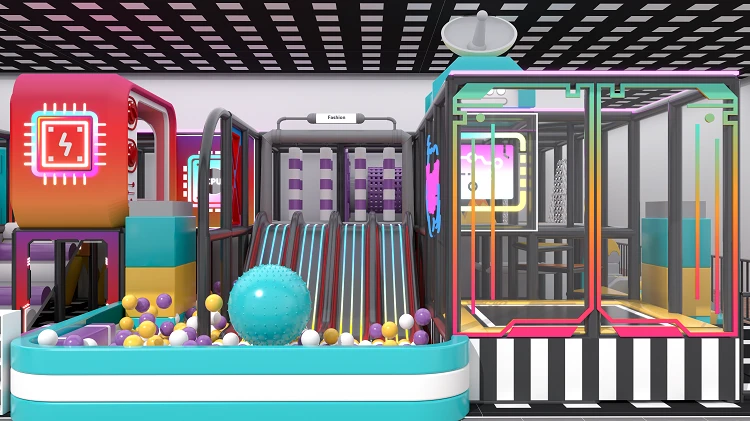
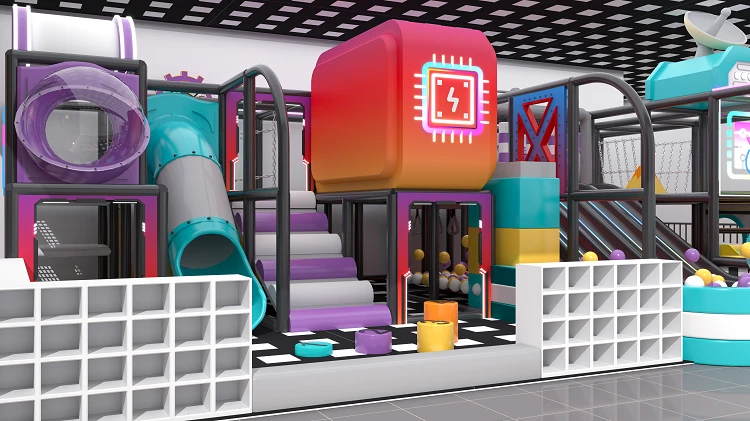
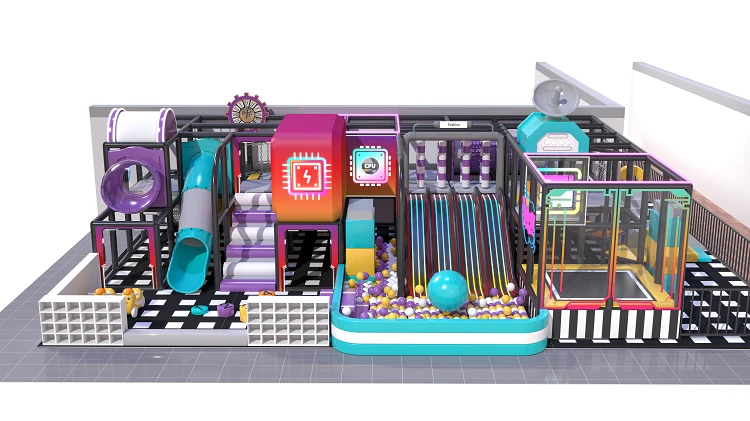
Immersive interactive zones can create special moments that kids want to share. Projection floors, AR sandboxes and laser tags can also make your space easier to sell. Soft play through immersive activities will attract more visitors and allow them to stay longer. A well-designed indoor children’s playground can also benefit from higher engagement and repeat visits. When planning an indoor playground design, choose a theme that suits your brand. This can make your space more structured and marketable.
Modular Themes for Easy Refreshes
You don’t have to rebuild the whole space to keep it fresh. Modular themes allow you to change parts without rebuilding the entire space. This saves money and keeps the venue interesting. The 2026 indoor playground design should have included modular components from the start. Budget permitting, you can update one area at a time.
Top indoor amusement park operators update their themed designs every year to a year and a half to maintain engagement and attract repeat visitors.
This refresh cycle can help families get back. Flexible product lines offer jungle, space and modern themes for this change. Modular indoor playground equipment make upgrading easier. You can follow 2026 trend without starting over. It’s about brand planning. Then refresh at regular intervals. This plan will protect your investments and keep your space competitive.
Smart Technology and Safety Upgrading
Interactive Digital Play and Gamification
Touchscreens and interactive features now engage kids and help them learn in today’s play spaces. You can add digital walls for kids to solve puzzles with. The screens respond to touch and movement. Children learn to work as a team when they play. Playfulness adds points, levels and rewards to physical activity. Kids can climb a wall and get stars on a screen. This combination of physics and numbers plays is known as an implantable playground design. Your field becomes a place where learning is like a game. Parents can see the value in this approach. They can observe the child’s problem-solving abilities as they play.
Trends in 2026 suggest that these tools will play a greater role. You can link the game structure to an app that tracks progress. Families can keep up to date on their children’s achievements. This feature encourages them to come back. Operators who use them early can stand out from other venues. The technology can also support inclusive gaming. Children of different abilities can participate through adaptive interfaces. This helps create a space where every child can participate.
Safety Standards and Impact Protection
Safety is still the foundation of any good play space. These features comply with international safety standards and reduce the risk of injury. Auto-belay systems controls how quickly the child comes down. These features can reduce the risk of injury without compromising pleasure. Parents just have to trust the device. By putting safety first, your factory can build a good reputation.
Safety upgrades are a priority for indoor rides in 2026. Compliance with international standards must be your first priority. Indoor playground products should meet applicable requirements such as ADA requirements in the United States and the EN 1176 series Europe. These standards cover areas such as shock absorbent surfaces, rounded edges and non-toxic materials. This method helps prevent accidents from happening. It also reduces long-term maintenance costs. The family can tell you care about your their children’s safety. This trust can lead to repeated visits and good evaluations. .
Inclusive and Accessible Play Design
Designing for All Abilities and Ages
You need to plan your indoor playground so that all children can use it. This can remove some of the barriers that may prevent kids from playing. It provides an opportunity for children with physical, sensory or learning difficulties to join. Many parents look for places where all their children can play together. Inclusive design can also show that your facility cares for every child.
Access rules guide your plans. Different areas have different rules to follow. Here’s a quick rundown:
:
| Region | Key Standards | What You Need |
| United States | ADA Accessibility Requirements | Paths you can roll on, ramps, transfer systems, ground-level play parts, open floor space for mobility aids |
| European Union | EN 1176 series (General & Fully Enclosed Equipment) | Safety for closed play structures: strength, steadiness, stopping kids from getting stuck, fall protection, correct openings |
| European Union | EN 1177 (Impact-Attenuating Surfacing) | Tested surface materials that lower fall impact inside set play areas |
You should test your plans against a real family. Have children of different abilities try out these devices. Notice how they move through space. Ask your parents what they think. This hands-on test can reveal problems you might have missed on paper. It also shows the importance you place on inclusion. Families can see the effort. They can share their good experiences with others.
Sensory-Friendly Features That Expand Your Audience
Sensor-friendly features welcome children who are stressed out in normal play spaces. You can create quiet areas with soft lighting and less noise. Some children need to be freed from bright colors and loud voices. Your 2026 design should include these tranquil areas. They help the kids calm down and when they’re ready, they come back and play.
Multi-sensory play involves children through touch, sound and vision. You can add texture panels, soft music and visual projections. These traits can help children with autism and differences in sensory processing. They also allow all children to play better. Sensory-friendly design doesn’t mean boring design. You can create different experiences based on different needs.
This will help you reach more families. You can welcome families who may not have access to normal play spaces. Parents of children with special needs often look for sensory friendly places. When you meet their needs, they can become repeat customers. They may also tell others about your facility.
Planning for 2026 trends means thinking outside the box. Inclusive and sensory-friendly design should be your main layout from the start. Playground equipment can support customization for children of different abilities. You can add transfer platforms, wider paths, and sensory panels. These features can make your space more welcoming.
Sustainability and Function Integration
Function integration and scenario adaptation are key elements of playground design in 2026. These ideas work well together. Function integration means that one structure can support multiple types of plays. Scenario adaptation means that the same equipment can work in different environments. You can plan for both from the start. Over time, this can save money and reduce waste.
Eco-Friendly Materials and Energy-Efficient Systems
Your material choices affect safety and the environment. New indoor playgrounds in 2025 typically use environmentallyfriendly materials such as recyclable equipment and energy-efficient lighting.
These materials can help protect kids and the planet. Recyclable equipment and efficient systems can reduce environmental impacts and long-term costs. Durable equipment reduces the need for replacement and reduces costs over time. Energy efficient lighting and ventilation can also reduce monthly bills. Require supplier to provide proof of material safety and durability. Indoor playground products should meet applicable international certification standards. Smart material choices can build trust with parents who care about the environment.
Scenario Adaptation for Different Venues
Adaptable equipment is useful for operators. Modular designs can be adapted to different spaces, from malls to schools and daycare centers. You can set up a small, soft play area in the daycare. The same part of the store can be developed into a complete sports and recreation area. This flexibility can reduce design and construction costs.
Going green can also help your marketing. When businesses care about the environment, families notice. You can talk about your green materials in ads and on social media. This information will appeal to parents who want to provide safe and responsible play spaces for their kids. It can also help you stand out from competitors who don’t value those values.
Check the material in the current space first. Then set clear green goals for the next upgrade. These steps will help your brand meet the demand in 2026. They also support trends that are vital to families today.
Indoor Playground and Play Café Trends in 2026
There is one notable trend in indoor playgrounds and arcades in 2026. Pricing is as important as your device. Families want choices that suit their needs. You need smart indoor playground prices to fill your space on slow days and bring in more money on busy days.
Flexible Pricing Models That Boost Profitability
You can build multiple income streams into one place. Birthday parties are one of the most valuable sales you can offer. They transform your space and staff time into package sales with private rooms, host support, food settings and upgrades. Booking in advance can also help you plan staffs and supplies. Membership brings steady income and help in the off-season. You can add benefits such as lower entry prices or advance booking access. Admissions bring in the masses and establish the first point of contact. Peak and non-peak pricing can help protect your bottom line. Family packages can increase average sales value. As people stay longer, food sales increase. Simple menus are better than large menus because they reduce waste and service delays.
Industry reports show that well-designed facilities can generate significant revenue from high usage and different attractions. High-usage, high-margin services can bring in more revenue per square foot, not simply more space.
Banquets and caterers can be highly profitable because of their high profit margins and high use of space.
Different zones perform differently. Use this guide to plan your layout:
| Sportainment Concept | Core Attraction | Traffic-Driving Feature |
| F1 Arcade | F1 racing simulators | Immersive competitive racing for casual and expert guests |
| Puttshack | High-tech mini-golf | Automatic scorekeeping with Trackaball sensors and fun courses |
| SPIN & BOUNCE | Ping pong | Olympic-level tables and projection-mapping gameplay |
| Flight Club | Social darts | Special dart-tracking tech and fun game modes |
| Chicken N Pickle | Pickleball | Family-friendly courts with chef-made dining |
| Topgolf | Social golf driving ranges | Easy play for beginners with food, cocktails, and music |
You can work out your pricing plan in a clear order.
First, create flexible membership and membership options. Sunday plan, Premium Pass, available anytime, but blackout dates, and sibling discounts.
Second, interactive tech zones charge additional fees. Separate these areas from general enrollment. 20 – 30 minutes per session.
Third, set a time limit of 90 -120 minutes for a birthday parties. Extra sales such as themed decor and premium food are available. Weekend parties can be arranged four to six times.
Fourth, to create a special dining “toy store.” Focus on profitable, quick-service products such as espresso, smoothies and baked goods. Place seating areas so parents can see the play zones. This can help families stay longer.
Experience-Led Design as a Revenue Driver
Your design choices a direct impact on household spending. The indoor kids’s playground has an adventurous feel to it, allowing guests to stay longer. Longer visits mean more food sales, more additional purchases and more repeat visits. Today, the indoor rides industry rewards operators who use design as a way to increase revenue, not just cost.
Customizable Indoor Playground solutions match your design to your revenue goals. You can create premium zones for high-value activities. You can set up party rooms near the F & B stations. These options can transform your facility into a complete family entertainment center. The FEC, which combines entertainment, dining and events, gets more each time. They can also build stronger customer loyalty. When planning your 2026 space, start with profitability. Then design each area to support it.
Planning Challenges and Solutions
Budget, Space, and Retrofit Constraints
Planning for indoor playgrounds in 2026 does have its problems. Limited budgets are one of the biggest problems most operators face. New equipment costs money. Themes also add to costs. Smart technology needs more investment. You may feel pressured to do everything at once. This can lead to mistakes. Your budget may be too small. You may end up finding that space doesn’t do anything well.
The clumsy floor plan create another problem. Old buildings may have columns, low ceilings or strange shapes. These features may not conform to standard playground layouts. You need simple and creative ways to get around these limitations. Older spaces pose other problems. Smart tech wiring may not be ready. Load limits may prevent you from using heavy equipment. Air system may not be strong enough for busy entertainment venues.
Many operators do not see the restrictions early enough. They design a dream space on paper. Then there were problems during construction. Additional costs may be added. The delay can delay the opening date. The best thing to do is plan carefully from the start. Measure every part of your space. Check the structure early. Get offers from a couple of contractors. Maintain 15 to 20 percent in the budget.
You can also reduce costs by choosing wisely. Start with a smaller area. Grow up. Choose flexible devices for all ages. Choose themes that require fewer props and decorations. First, spend more on high-impact areas.
Phased Implementation Strategies
Your first phase should focus on one major attraction. Choose trends that best suit your positioning and target customers. Physical activity works well in areas with active families. Immersive design will appeal to people in shopping malls. Smart technology can appeal to parents who like new technology. Choose a trend and do it well. Let the area earn money and build your brand.
Track the code from day one. Count daily visitors. Tracking consumer spending per capita. Track how often customers return. Ask your family what they want next. Using surveys and direct observation. This data will guide you through the second phase. You can see which trends need to be added and which need to be skipped.
The indoor rides industry rewards homeowners who think long term, one step at a time. A phased plan can keep your space fresh and your cash flow healthy.
End-to-end services can help you run this plan. They handle design, production and installation through a single source. This reduces planning problems. You work with one team, not many suppliers. Keep communications open. Timetables are easier to manage. Customizable indoor playground solutions allow you to start small. You can grow with modular blocks. You can add new areas without closing current play area. This flexibility is well suited to phased planning.
Implementation of the roll-out plan is based on these steps. First, be honest about your current space and budget. Second, a trend zone was selected for the first phase. Third, design the region for future growth. Four is to start, check for three to six months. Fifth is to use data to plan the next phase. This approach translates the problem into simple steps. You can build an indoor playground in 2026, one stage at a time. Each stage will give you new information. Each stage will help you cement your position in the market.
Planning for 2026 and beyond is all about sports leisure, immersive design, smart security, inclusive design, sustainability design and flexible pricing in one plan. Neither trend is likely to work alone. Security and commercial requirements should guide every design choice.
The first step is a clear phased plan. Be honest about your current space and budget. Then choose trends that suit your audience and budget. Test an area first. Learn from real data. Expand as the model works.
FAQ
You have real questions about building a 2026 indoor playground. Here are clear answers to help you plan.
What safety standards should indoor playgrounds meet in 2026?
Your equipment should follow standards such as ASTM and EN. These standards cover areas such as filler surfaces and non-toxic materials. Adherence to these standards will keep children safe and reassure parents.
Can you customise a playground for 2026 for a small or quirky space?
Yes. ‘ You can work with suppliers that provide design and manufacturing services. Modular components can be installed around columns, low ceilings and small floor plans. A safe and fun space can be created without the need for a full renovation.
How will indoor playgrounds differ from traditional playgrounds in 2026?
An indoor playground in 2026 could go beyond simple slides to become a family entertainment hub. It can combine sportainment, immersive themes, smart technology and inclusive design. This can create a place to bring families back and provide different sources of income.
What is the best way to manage a limited budget?
Adopt a phased plan. Start with a high-impact trend area, such as obstacle course or interactive digital walls. Check its return on investment. These results are then used to plan the next phase.
How often should you update your playground theme?
Top-tier carriers update their themes every year to a year and a half. Choose modular design from the start. This allows parts to be replaced without rebuilding the entire space. It keeps your playground fresh as the market changes.