Buying Indoor Playground Equipment Overseas: Documents to Prepare
When you buy commercial indoor playground equipment from an overseas manufacturer, you need four groups of paperwork:
- Order and payment records
- Shipping and customs forms
- Compliance and safety documents
- Installation and after-sales materials
Missing or incorrect documents can delay customs clearance, create extra costs, and hold up installation. A mismatch between the packing list and commercial invoice can make it harder to identify the soft play structures, slides, padded components, and accessories in your shipment.
This guide explains what to prepare for an indoor playground project, when to request each document, and what to check before shipment. For a Vasia order, use the approved layout and equipment list as the reference for purchasing, packing, installation, and handover.
Key Takeaways
- Prepare four document groups: order and payment records, shipping and customs forms, compliance and safety documents, and installation and after-sales materials.
- Check that product descriptions, quantities, package marks, and shipment details are consistent across the relevant records.
- Request safety reports during quotation and confirm that their scope covers the indoor play equipment and materials you are buying.
- Keep installation drawings, component numbers, and maintenance instructions available to the installation and operations teams.
- Review document drafts before shipment and keep approved revisions in one project folder.
Order and Payment Documents from the Manufacturer
Purchase Order and Proforma Invoice
Your purchase order should define the indoor playground equipment you are buying. Include the approved layout reference, equipment list, dimensions, materials, colors, quantities, price, and production schedule. Identify soft play areas, slides, ball pools, climbing sections, and any electrical items separately where relevant. Record the agreed drawing revision so later changes do not create confusion.
The proforma invoice records the seller’s offer and payment instructions. Check the buyer and seller details, currency, payment stages, delivery terms, and included services against your purchase order. For a customized Vasia project, confirm whether the quoted price includes packing, freight, installation guidance, on-site installation, and spare parts. Put any changes in writing before production starts.
Letter of Credit and Payment Terms
Choose payment terms that fit the order value and your purchasing process. A telegraphic transfer (T/T) and a letter of credit (L/C) have different costs and document requirements. If you use an L/C, have the issuing bank review the required documents, presentation deadlines, and shipping conditions before it is issued. Confirm that the supplier can meet those conditions.
Check the descriptions and shipment details against the L/C requirements. Documents must meet the credit’s terms, and information across the required documents must not conflict. Resolve errors before presentation rather than assuming that a minor difference will be accepted.
Include deposits, balance payments, freight, bank charges, and installation costs in your indoor playground budget. Agree which records support each payment stage, such as approved drawings or a pre-shipment inspection record. Keep these documents with the signed order and any approved changes.
Shipping and Customs Documents
Commercial Invoice and Packing List
The commercial invoice records the goods sold and their transaction value. It should identify the buyer, seller, currency, product descriptions, quantities, prices, and agreed delivery terms. Use clear descriptions for the actual indoor playground components instead of a vague description such as “toys.” Ask your customs broker to confirm the required invoice details for the destination.
The packing list connects the shipment to its physical packages. Check package counts, dimensions, net and gross weights, and identifying marks. For an indoor playground, ask for a practical way to locate frames, connectors, padded panels, slides, netting, and accessories. Package references should help the receiving team find the parts needed for each installation stage.
Vasia’s published shipping process includes commercial invoices, packing lists, and bills of lading. Request drafts for your own order before dispatch and review them with your freight forwarder or broker. Ask Vasia for an authorized, redacted example from a completed indoor playground shipment so your team can see how its documents are organized. See Vasia’s shipping information: https://www.vasiaplay.com/aboutus/shipping
Bill of Lading and Certificate of Origin
The bill of lading records the sea shipment and its carriage details. The release procedure depends on the document type and the agreed arrangement, such as an original bill or a surrendered bill with telex release. Check the shipper, consignee, notify party, ports, package count, and container details with your freight forwarder before the document is finalized.
A certificate of origin identifies where the goods were made. Ask your broker whether one is needed and which form is accepted for your shipment. Confirm the tariff classification of the actual equipment and any separately declared components before dispatch. Do not assume that every item in a customized indoor playground uses the same HS code or qualifies for preferential duty treatment.
Check the origin document and transport document against the invoice and shipment records. Names, goods descriptions, and shipment references should be consistent wherever they appear. Confirm who will obtain each document and when it will be available.
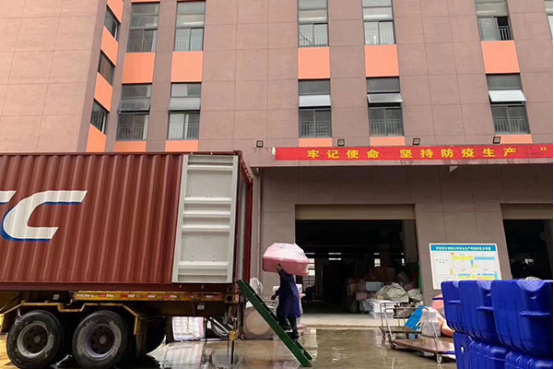
Before loading, request photographs of package marks and the loading sequence. Keep a record of the loaded container and its seal where applicable, then compare these details with the transport records. At delivery, use the packing list to check received packages and record any visible damage or missing items promptly.
Compliance and Safety Standards Documents
Test Reports and Certificates of Conformity
Request test reports and any applicable conformity documents while comparing quotations. Check the report number, issuing laboratory, test date, standard edition, product identification, and tested materials. A certificate for a different model or material does not establish that your customized indoor playground is covered. Ask the supplier and your local inspector to explain how the evidence relates to the final design.
For soft contained play equipment in the US, ASTM F1918 is a relevant reference. For fully enclosed play equipment in Europe, EN 1176-10 is relevant alongside the applicable general requirements. These references do not replace a project review: confirm the standards, editions, and local building and fire requirements that apply to your venue.
For a Vasia quotation, request the reports that match the proposed indoor play structures and materials. Record which items are covered and which require further assessment. Review the layout with the parties responsible for building approval and inspection, including access routes, emergency exits, ceiling obstructions, and fire systems. Do not treat a general brand certificate as approval for the complete venue.
Safety Data Sheets and Material Documentation
Request material specifications and relevant test results for foam padding, fabric covers, plastic parts, netting, coatings, and floor mats. Ask for chemical or fire-performance evidence where required for the intended use and market. Safety data sheets may be relevant to substances such as adhesives or coatings, but they do not by themselves prove that finished play equipment is safe, durable, or compliant.
Ask for a written cleaning, maintenance, and inspection schedule covering the supplied equipment. It should address padded surfaces, netting, connections, slide joints, floor mats, and other wear points. Confirm approved cleaning products and replacement criteria with the supplier so daily upkeep follows the equipment instructions.
Keep the material records with the equipment list and test reports. Where possible, link each document to a product code, material reference, or batch so the evidence can be traced to what was supplied.
Use this file during design review, installation checks, and handover. Record any missing evidence and agree who will provide it before the relevant project stage is approved.
Installation and After-Sales Documents
Installation Manual and Technical Drawings
Installation manuals and drawings should show the approved indoor layout, frame assembly, connections, anchoring details where required, padding, netting, and protective flooring. Confirm the building dimensions, clear height, columns, floor conditions, and access for delivery before production. Have the responsible installer or engineer review any fixing requirements against the actual building structure.
Vasia Playground shipping page describes factory pre-assembly checks, numbered components, and 3D installation diagrams. For your indoor playground order, request the matching drawings and agree the scope of installation support in writing. Use the approved component references to connect the packing list, delivered parts, and assembly instructions. Confirm who is responsible for installation, final checks, and handover.
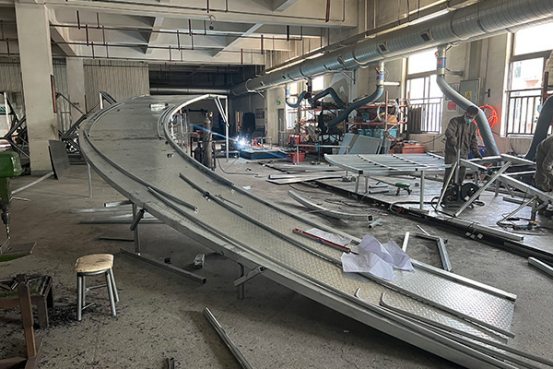
Keep the current layout and assembly drawings on site. Use them to check component placement, connections, protective padding, and access routes during installation. Record approved changes and keep the final drawings, inspection records, and completed handover checklist in the project file before opening.
Warranty Certificate and Spare Parts List
The warranty document should define the coverage period, covered components, exclusions, and claim procedure. Confirm when coverage starts and how normal wear is handled. Agree who pays for replacement transport, labor, and any on-site work. Keep the final warranty terms with the order rather than relying on a general website statement.
The spare parts list should identify replaceable items by code, specification, and location. Depending on the design, these may include connectors, fasteners, protective covers, netting, floor mats, and ball pool accessories. Ask which parts are sensible to order with the initial shipment and which can be supplied later. Match replacement materials and components to the approved specifications.
Confirm the after-sales contact, support channels, response arrangements, and information needed for a claim. Keep product codes, photographs, and inspection records available when reporting a problem. These records help the supplier identify the correct part and give instructions suited to your indoor playground.
Your document file has four parts. Use this final checklist before you place your order:
- Order and payment records: purchase order, approved layout, proforma invoice, and payment terms
- Shipping and customs forms: commercial invoice, packing list, transport document, and certificate of origin where required
- Compliance and safety papers: applicable test reports, conformity documents, and traceable material records
- Installation and after-sales materials: manuals, final drawings, handover records, warranty, and spare parts list
Planning an indoor playground import? Send Vasia your destination country, venue layout, clear height, target age groups, and planned opening date. Request a project quotation, a document checklist, and available redacted export examples for review. Agree the packing, shipping, and installation responsibilities before placing your order.
FAQ
Who prepares the shipping documents?
The supplier normally prepares the commercial invoice and packing list. The carrier or its authorized agent issues the bill of lading. The supplier may arrange a certificate of origin through the relevant issuing body when needed. Confirm the responsibilities and review drafts for your Vasia indoor playground shipment before final issue.
When should I request the compliance paperwork?
Request it during quotation, before signing the contract. Check the report scope against the proposed indoor playground equipment and materials. Ask your local inspector what further records are needed for the venue, and agree how design changes will be reviewed.
What is the most common documentation mistake?
A common problem is inconsistent product, quantity, or shipment information. Use the approved order and equipment list as the reference. Check each document according to its purpose, and review L/C documents against the bank’s requirements. Correct conflicts before dispatch or document presentation.
Can I use digital copies during customs clearance?
Confirm accepted formats with your customs broker and the carrier before shipment. Digital copies may support review, but customs filing and cargo release are separate processes. Agree whether your shipment requires original documents, electronic records, or another release arrangement, and keep the accepted versions available.
How do these documents support safety and procurement planning?
They connect the ordered indoor playground equipment to the shipment, installation instructions, safety evidence, and maintenance records. A clear file helps the team identify missing information before it affects delivery or opening. Keep approved revisions and handover records for inspections, spare parts orders, and warranty claims.