How to Coordinate a Playground Project Across Suppliers
A smooth indoor installation depends on a few coordination moves, not luck. You can control the outcome when you plan the work before the first vendor signs.
Six steps carry most of the weight:
- Define roles
- Name one point of contact
- Build a shared timeline
- Lock delivery logistic
- Align compliance
- Plan for conflicts
Treat the commercial playground equipment manufacturer as the main supplier. Other vendors build their schedules and site plans around that supplier’s drawings, delivery dates, and installation order. This one choice keeps a commercial playground project moving. The same idea applies to every piece of commercial playground equipment on your floor plan.
Key Takeaways
- Set clear jobs for each supplier so no one gets confused and work does not slow down.
- Pick one main coordinator to handle all communication and decisions.
- Make a shared timeline with milestones and dependencies so everyone stays on track.
- Plan deliveries to match each installation step so work flows smoothly.
- Get your compliance documents in order early. This keeps everyone safe and helps you pass inspections.
Start Planning A Commercial Playground Project
Measure The Space And Use Zones
No two commercial playground sites are the same. Planning a commercial playground project begins with a measured floor plan. Write down the usable area, clear height, column positions, and every entrance and exit. Mark the required use zones around each structure. These zones protect children who fall or come off a slide. They also shape your layout before you commit to any commercial playground design.
Most commercial playgrounds share the same limits: fixed columns, limited height, and one service door. Accurate numbers also support accessible design. Door widths, turning space, and travel paths must work for wheelchairs and strollers. A tight column grid may force you to split large commercial playground structures into smaller zones. Your playground design should keep toddler areas apart from active commercial play structures. Every piece of playground equipment needs a clear inspection path. Photograph the empty indoor room and note the ceiling obstructions. Measure twice, then share the drawing with every vendor.
Set Budget And Supplier Shortlist
Build your playground budget around the whole project, not just the equipment. Compare commercial playground equipment suppliers on equipment quality, safety documentation, warranty terms by component, and layout support. Ask each supplier for current certificates. A cheap frame with weak paperwork costs more later. Set aside a contingency line for freight, customs, and site fixes. That reserve protects the schedule when a shipment slips.
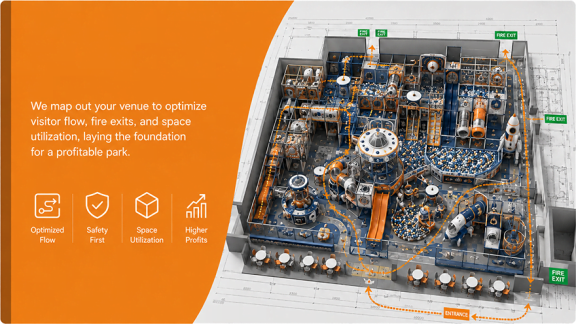
Vasia Play‘s turnkey process starts with floor-plan analysis and free 3D proposals. This step sets scope before you lock in other vendors. The design process then gives your shortlist real drawings. Share the approved drawings with the surfacing contractor and the electrical trade. They can then price their work against a fixed layout instead of a guess. Careful planning here keeps the commercial playground project on track. Strong planning now protects every later phase of your playground project.

Define Roles With The Commercial Playground Equipment Manufacturer
Map Each Supplier To A Scope
Write a responsibility matrix before anyone signs. List every task on one side and every vendor on the other. Then mark exactly one owner per row. This simple grid stops the most common failure in a commercial playground build: two vendors each thinking the other holds the task.
Split the work along clear lines. The equipment manufacturer owns design, engineering drawings, manufacturing, packing, and shipping coordination. The surfacing contractor owns the safety surfacing material, its base, and its seams. Electrical and HVAC trades own power drops, lighting circuits, and air handling. The general contractor owns the building shell, floor prep, and fire-exit access. The installer owns assembly, torque checks, and final handover.
Vasia Play’s commercial indoor playground equipment scope works well as a model here. Their team covers design, engineering drawings, manufacturing, packing, shipping coordination, and installation support. Write those items into the matrix as manufacturer rows. Then assign every remaining row to a named party. A written matrix also protects your commercial playground design and installation services budget. Each vendor prices a clear scope instead of a vague one.
Confirm Site Readiness Ownership
Site readiness causes more delays than equipment ever does. Decide early who owns floor prep, power, lighting, fire-exit access, and storage. Floor prep includes leveling, slab condition, and anchor points. Power covers the main feed, outlet locations, and capacity for lighting and any interactive features. Fire-exit access must stay clear during and after installation. Storage needs a locked, dry area for crates and spare parts.
Put each item in the matrix with a name and a date. Ask your suppliers to confirm their readiness items in writing. A surfacing contractor needs a finished base before laying safety surfacing. An electrician needs the equipment layout before pulling cable. The commercial playground equipment manufacturer needs confirmed clear height before releasing fabrication drawings.
Hold one readiness walk-through with every vendor present. Walk the room, point at each zone, and confirm ownership out loud. Photograph the conditions and share the images. This step catches gaps while fixes are still cheap. Strong safety starts with a clean, ready site, and every party should know its part. A clear matrix turns a commercial playground from a coordination gamble into a managed plan.
Set One Contact And A Shared Commercial Playground Project Timeline
Name A Lead Coordinator
Pick one lead coordinator for the whole build. This person is the single contact for every vendor, question, and change request. Choose a backup too. The backup takes over when the lead is traveling, sick, or busy on site. Having two names keeps a stalled decision from freezing the job.
Set a meeting schedule at the kickoff. A short weekly call works for most builds. Add a longer review at each big milestone. Share the schedule early so every vendor can attend. Write an escalation path too. Say who settles a dispute first, who decides next, and how fast each level must reply. Put the path in writing and share it with all suppliers. Clear project management starts with clear communication lines.
Build Milestones And Dependencies
Work backward from your target opening date. List the final inspection, the safety walk-through, and the soft opening. Then place each earlier task before them. This backward planning shows tight spots early, while you still have room to adjust.
Track dependencies between vendors, not just dates. Drawings must be approved before building starts. Equipment must arrive on site before the surfacing crew lays material around it. Power must be on before anyone tests interactive features. Write each dependency as a line item with an owner and a due date. Review the list at every weekly call.
Vasia Play helps with this step by providing project drawings and 3D installation manuals. Other vendors can plan their own work around those documents. The surfacing contractor sees the final footprint. The electrician sees where equipment sits. The installer sees the assembly order. A shared commercial playground timeline then becomes a working tool, not a wall chart.
Build extra time into the commercial playground project schedule. Add buffer before the opening date, not after. A late shipment or a failed inspection then costs you hours instead of weeks. Update the timeline after every milestone and resend it to the full vendor list. Everyone works from the same version. That habit keeps a commercial playground project predictable from kickoff to opening day.
Coordinate Delivery For The Commercial Playground
Sequence Deliveries To Install Phases
Match each delivery to an install phase. Big structures come first, then slides and climbing nets, then loose parts and padding. This order keeps crates out of the way of other trades. A surfacing crew cannot lay material around a stack of boxes. An electrician cannot pull cable through a blocked hallway.
Set a drop date for each phase and share it with every vendor. Ask the manufacturer to pack by zone, not by part type. Zone packing means the crew opens one crate per area and installs it in one pass. This approach shortens playground installation and cuts down on double handling. Keep a small buffer between phases for inspection and fixes.
Plan Access And Staging
Walk the delivery route before the first truck arrives. Confirm door widths, hallway turns, and freight elevator limits. Measure the largest crate against the narrowest opening. A structure that fits the room may still fail at the loading dock.
Check these items in writing:
- Door and gate clear widths
- Freight elevator weight and size limits
- Staging area size and floor loading
- Protection for finished floors and walls
Reserve a staging area close to the install zone but clear of traffic paths. Lay protective boards along the route. Cover finished surfaces before crates move through.
Vasia Play coordinates ocean, land, or air freight, customs clearance, and door-to-door delivery. Their team can send engineers anywhere in the world or guide local crews by remote video. That support makes delivery and assembly services easier to plan for a commercial playground. Clear logistics keep delivery and assembly on schedule, and a well-run commercial playground opens on time.

Align Compliance For Commercial Playground Equipment
Confirm Specs And Safety Documents
Compliance begins with one shared spec sheet. List each vendor’s product, then check spacing, impact protection, secure fastening, and fire-exit access against it. ASTM and EN1176 spacing rules set the clear zone around each structure. Impact protection means the safety surfacing under slides and climbing frames. Secure fastening covers anchors, bolts, and net connections. Fire-exit access must stay clear after installation, not just on the drawing.
Ask for current certificates that match your project and your area’s rules. Vasia Play provides CE/CoC, GS with factory audit, and ISO 9001, 14001, 27001, and 45001 documents. Make sure each certificate covers the exact model you ordered. Keep every document in one shared folder. Your commercial playground equipment then arrives with paperwork your inspector can check.
Prepare A Contingency Plan
Delays, damaged shipments, and disputes will test your commercial playground project. Plan for them before the first crate ships. Keep spare parts on site for high-wear items like padding, nets, and fasteners. Name one decision-maker who can approve a fix without a group meeting. Write a change process that says who asks for a change, who approves it, and how cost and schedule get updated.
The 1,000 sqm jungle indoor playground project in the USA shows why this matters. That venue lines up traffic flow, clear height, columns, and repair space across a large floor. One blocked aisle or one late part can stop a whole zone. Good planning keeps spare parts, contacts, and approvals ready. Treat playground safety as a daily habit, not a one-time check. Strong playground safety protects children, staff, and your opening date.
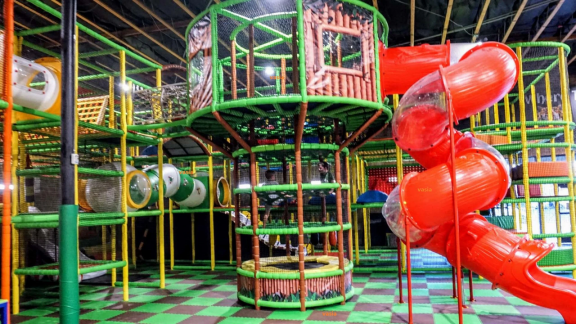
A commercial playground pays off when you prepare. Confirm documents early, keep contingency ready, and your playground project wraps up cleanly. Every commercial playground project runs smoother with these habits in place.
Good coordination starts at kickoff, not on installation day. Measure the space and use zones early. Write clear roles around the commercial playground equipment manufacturer. Name one contact, share a milestone timeline, and sequence deliveries to each install phase. Align compliance documents and keep a contingency plan ready.
Treat that commercial playground equipment manufacturer as your anchor partner. Other vendors then plan around one set of drawings and dates. This habit keeps every commercial playground project in sync.
Apply these steps before you sign the first contract. Your commercial playground will open on schedule, your commercial playground equipment will arrive in order, and your safety checks will hold up. A well-run playground project rewards the team that plans first.
FAQ
Who should lead coordination on an indoor playground build?
Pick one lead coordinator and one backup before kickoff. That person is the single contact for every vendor, question, and change request. A written escalation path keeps decisions moving when the lead is away. Clear ownership stops choices from stalling during installation.
What does the equipment manufacturer handle versus other vendors?
The manufacturer owns design, engineering drawings, manufacturing, packing, shipping coordination, and installation support. Your surfacing contractor, electrician, general contractor, and installer each own their own scope. Write every task into a responsibility matrix with one named owner per row. This split keeps work from slipping between suppliers.
How do you sequence deliveries for an indoor install?
Match each delivery to an install phase. Large structures arrive first, then slides and nets, then loose parts and padding. Ask the manufacturer to pack by zone so crews open one crate per area. Confirm door widths and freight elevator limits before the first truck arrives.
Which compliance documents should you request?
Request current certificates that match your exact models and your local rules. Vasia Play supplies CE/CoC, GS with factory audit, and ISO 9001, 14001, 27001, and 45001 documentation. Keep every file in one shared folder. Your inspector can then check paperwork without chasing vendors.
What support does Vasia Play offer during installation?
Vasia Play coordinates ocean, land, or air freight, customs clearance, and door-to-door delivery. The team can send engineers anywhere in the world or guide local crews by remote video. Project drawings and 3D installation manuals let other vendors plan around the assembly order. Spare parts and warranty support continue after handover.