Indoor Playground Procurement Mistakes That Cause Rework
Buying indoor playground equipment before you finish the site survey and layout can lead to costly rework. A soft play structure may not fit below the building services. The protective flooring may not suit the planned activities. Installation then stops while the design is changed, and each delay adds cost.
Measure the venue first. Confirm equipment clearances, protective flooring, access routes, and building services before you contact a commercial playground equipment manufacturer. This article focuses on commercial indoor playgrounds, especially soft contained play structures in family entertainment centers and shopping malls.
Poor planning can also lead to temporary closures for corrective work. Agree on the layout, technical requirements, and installation scope before production starts. This helps control costs and protect the opening schedule.
Key Takeaways
- Measure your site before you order any equipment. This step prevents costly redesigns and delays.
- Plan equipment clearances and protective flooring together. Confirm the standards that apply to each equipment type and target market before approving the design.
- Include ceiling height, ventilation, lighting, and fire safety coordination in the first design. Late changes can disrupt completed indoor play structures.
- Plan for future growth. Ask your manufacturer for a layout that can grow without tearing out finished work.
- Check your manufacturer’s certifications s and support. Also, plan for maintenance costs so you don’t get surprised later.
Skipping Professional Site Measurement
[Image position: Use a real commercial indoor playground site-survey photo showing columns, ceiling services, and measured floor space. Image source: confirm the actual owner or licensed source before publication.]
The Cost of “Eyeballing” the Space
You walk through the venue, look at the walls, and guess the size. That guess becomes the basis for your equipment order. You miss low beams, air ducts, column positions, and delivery access. These details can make an otherwise suitable indoor play structure impossible to install as drawn.
The equipment arrives and does not fit. A column blocks a slide exit, or a duct reduces the space above an elevated play level. The design must change before installation can continue. Moving finished modules, altering padding, or changing the floor layout adds cost and may delay opening.
Measure First, Select Indoor Playground Equipment Second
Finish a professional site survey and measured floor plan before you request equipment quotes from a commercial playground equipment manufacturer. Record usable floor space, clear height below beams and services, column positions, and delivery openings. Mark emergency exits, fire equipment, ventilation outlets, power points, and maintenance access. Have the building team confirm floor loading and any proposed anchoring locations.
Use the measured drawing as the shared reference for equipment selection and pricing. Confirm space for installation, cleaning, inspection, and replacement of large parts. Review the final layout with the supplier and relevant building professionals before production. Check the installed dimensions against the approved drawings before handover.
Miscalculating Equipment Clearances and Protective Flooring
Applying Safety Standards to the Correct Equipment Type
Do not apply one set of playground rules to every indoor attraction. The CPSC Public Playground Safety Handbook excludes soft contained play equipment from its scope, so its public-playground use-zone guidance should not be copied directly into a soft play layout. ASTM F1918 covers soft contained play equipment within its stated scope. EN 1176-10 addresses fully enclosed play equipment and is used with the relevant EN 1176 provisions. Confirm the equipment category, intended users, applicable edition, and local requirements with a qualified reviewer.
Check the clearances, access openings, slide exits, and protective surfaces required for the selected equipment. Trampolines, inflatables, and other attractions need their own scope review; an indoor location does not make them all soft contained play equipment. If a layout leaves too little space for a required clearance or access route, modules may need to be moved or redesigned after ordering.
The Link Between Protective Flooring and Finished Floor Levels
Indoor protective flooring must work with the equipment and the existing building floor. Choosing a mat only by thickness can miss its tested impact performance and the conditions of installation. Changes in floor build-up can also affect door movement, accessible routes, slide exits, and transitions between play areas. Loose joints or raised edges can create trip hazards.
Confirm the relevant fall heights and impact-protection requirements before choosing the flooring system. Ask for test evidence that matches the proposed material, thickness, substrate, and installation method where applicable. Coordinate floor levels and edge transitions with the equipment drawings. Check the installed flooring and clearances before opening, and keep compatible spare materials for repairs.
Leaving Building Services Out of the Plan
The Rework of Changing Ventilation and Fire Safety Layouts
You approve a tall soft play structure before checking the ceiling services. During installation, the team finds that a duct crosses the upper play level or that an enclosure conflicts with the planned fire protection layout. Resolving these clashes may require changes to equipment or building services. The work can interrupt installation and add cost.
Late changes can affect more than one area. Moving a module may narrow a walkway or block maintenance access. Changing a ceiling feature can affect lighting and ventilation. Any change to fire protection systems must be reviewed by the responsible professionals. Do not alter building services simply to make the equipment fit.
Planning Indoor Building Services from the Start
Show equipment and building services on coordinated drawings before production. Check clear height below ducts and beams, ventilation around enclosed play areas, lighting, and access to service points. Have the responsible fire safety professionals review the play structure against the venue’s fire protection and evacuation design. Keep emergency routes and fire equipment accessible.
Agree on who handles each interface: the equipment supplier, fit-out contractor, landlord, or building-services team. Allow access for cleaning, repairs, and emergency assistance. Inspect the completed installation against the approved layout before opening. Early coordination reduces the risk of dismantling finished modules to correct a clash.
Failing to Plan for Future Visitor Growth
When an Indoor Playground Cannot Handle Peak Demand
You size the indoor playground around average weekday attendance and overlook weekend peaks, birthday parties, and future growth. The equipment layout may fit the room, but the reception area, seating, and circulation routes may not support the same visitor flow. A floor-area estimate alone is not enough to set a safe operating capacity.
Crowding can appear at slide exits, popular activities, and entry points. Staff may struggle to supervise the play areas, and families may face long waits. Assess equipment capacity, building occupancy limits, evacuation arrangements, and supervision together. Use the approved operating limit even when demand is higher, and plan expansion before adding equipment or admitting more visitors.
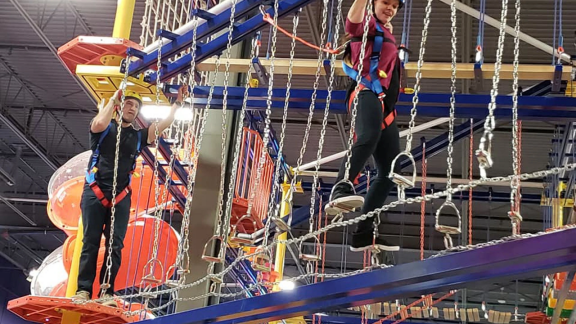
Designing for Adaptability and Expansion
Design for future changes from the first sketch. Ask the manufacturer to identify areas where compatible modules could be added without blocking walkways or emergency routes. Keep toddler activities separate from more active play where the design requires it. Review the structural and safety implications of each future addition before installation.
Share expected visitor numbers, party schedules, and expansion plans before you order indoor playground equipment. Ask for a phased layout that keeps access and supervision practical as the venue grows. Reserve space for maintenance and replacement of large parts. Confirm that later additions will need a fresh review of capacity, building services, and the completed play system.
Vetting Your Commercial Playground Equipment Manufacturer
Verifying Certifications and Installation Support
You accept a quote without checking whether the proposed indoor play system matches the site, intended age group, and applicable requirements. You receive a generic certificate but no clear link to the equipment being supplied. Installation responsibilities, inspection arrangements, and warranty exclusions remain unclear. These gaps can lead to changes late in the project.
Problems may appear when the reviewer finds that a test report covers a different model or material, or that the installed layout differs from the assessed design. The supplier may need to provide further evidence or modify the installation. Allow time for this review before production and before final acceptance.
Ask each commercial playground equipment manufacturer for traceable reports identifying the tested product, standard and edition, laboratory, report number, and scope. Confirm how the evidence relates to your project. ASTM is a standards developer, not a product certification body, and an ISO management-system certificate does not establish product compliance. For a Vasia Play quotation, request the documents relevant to the proposed indoor play system and agree on installation, inspection, training, and handover responsibilities in writing.
The Risks of Buying Used Indoor Playground Equipment
Used indoor playground equipment may cost less at purchase, but its condition and records need careful review. Missing drawings, unknown modifications, worn padding, damaged nets, and incomplete inspection history can make reuse difficult. Age alone does not determine suitability; check the actual condition and the requirements for the new installation.
A layout designed for another building may not fit your columns, ceiling height, or escape routes. Replacement parts may be unavailable, and moving the structure may expose damage that was not visible before dismantling. Include transport, assessment, repairs, new flooring, and installation in the cost comparison.
Before buying used equipment, obtain a qualified assessment and confirm that the original manufacturer can support the proposed configuration and spare parts. If the condition or supporting records cannot be verified, include a new system in the comparison. For either option, agree on the installation scope, warranty, and acceptance checks before ordering.
Forgetting the Maintenance Budget
The Surprise Cost of Unplanned Maintenance
You plan your budget around equipment and installation. Maintenance and spare parts never make the list. That gap stays hidden until a padded post tears or a net wears out. Then the bill shows up with no warning.
Unplanned maintenance makes the cost of ownership climb fast. A worn part forces a closure of that area while crews wait for a replacement part. Each closure day adds cost through lost admissions and staff time. This hidden closure cost rarely shows up in your first numbers. You also face the cost of downtime, which grows with every day the structure sits idle. Reactive choices follow, and you repair or replace indoor playground equipment under pressure instead of on plan. That pressure pushes the cost of repair higher than a scheduled fix would have been.
How to Repair or Replace Indoor Playground Equipment on a Schedule
Start with equipment that can be inspected, cleaned, and serviced easily. Confirm spare-parts availability and ask which nets, pads, fasteners, and floor sections need regular checks. Set a maintenance budget that covers inspections, cleaning, repairs, and planned replacement. Follow the manufacturer’s instructions and any applicable inspection requirements.
Compare each repair with the cost and safety implications of replacement. A compatible replacement pad may solve local wear, but suspected frame damage needs a qualified assessment before the area is used again. Keep approved spare parts on site and record the work completed. Inspect repaired equipment and authorize reopening only after the relevant checks are complete.
When sourcing commercial indoor playground equipment from Vasia Play, confirm the spare-parts list, maintenance guidance, warranty terms, and after-sales service scope in the contract. Ask about response times, parts lead times, and support for discontinued components. Use those written terms to build a realistic maintenance budget.
Poor measurement, unsuitable clearances, missed building-service clashes, weak capacity planning, incomplete supplier checks, and no maintenance budget can all lead to indoor playground rework. Reviewing these issues before ordering reduces the risk of changes during installation and disruption after opening.
Measure the venue first. Confirm the standards for each equipment type, coordinate protective flooring and building services, and plan for visitor growth. Check supplier documents and budget for maintenance. Use the approved drawings and agreed acceptance criteria throughout the project.
A clear procurement process helps you assess safety, fit, durability, and long-term costs together. Keep records of design approvals, inspections, and maintenance so the indoor playground can be managed throughout its service life.
FAQ
When should you measure the site before ordering indoor playground equipment?
Measure the venue before requesting detailed quotes. Record usable space, clear height below services, columns, exits, and delivery access. Confirm the survey before production, especially if building work changes any dimensions. This reduces the risk of ordering equipment that does not fit.
How do you confirm equipment clearances and protective flooring?
First identify the equipment type and applicable standards. For soft contained or fully enclosed play systems, review ASTM F1918 or EN 1176-10 as relevant to the target market and product scope, together with local requirements. Do not copy CPSC public-playground spacing rules into every indoor layout. Check the required clearances and flooring performance against the approved design and verify them after installation.
What should you verify before signing with a manufacturer?
Check that test reports and other required documents match the proposed equipment, materials, and applicable standard editions. Confirm installation responsibilities, acceptance checks, spare-parts availability, and warranty terms in writing. Generic certificate logos do not prove that the complete installed indoor playground meets the project requirements.
Why does a maintenance budget belong in procurement?
Unplanned maintenance drives up the cost of ownership. A worn part can force a closure while you wait for a replacement. Set a lifecycle budget, keep common spares on site, and schedule repairs before peak seasons. Planned work costs less than a rushed fix.