How to Compare Playground Equipment Samples Before Approval
A sample or preview can look great when you approve it. Looks alone can’t prove it will last, be safe, or fit right. Treat the comparison as a step-by-step process, not a quick guess. You need evidence you can check, score, and defend later.
Four areas guide the review: materials and construction, durability, age and setting fit, and safety plus cost. Each area comes with real checks you can use on any sample. Ask your commercial playground equipment manufacturer for documents, not promises. Build the approval process around scored criteria. A strong comparison protects your budget and the children who will use the space.
Key Takeaways
- Start by defining your space and the people who will use it. Write down age groups, how many visitors you expect, and site limits. Use this as your guide for every decision.
- Rate every sample using the same method. Make a comparison table with set criteria such as materials, durability, safety, and price. This keeps the review fair.
- Look closely at the materials and how it is built. Check the frames, padding, and hardware. Ask for documents, not promises.
- Check how long the equipment lasts, and make sure it fits the age group and place. Look at warranties and wear tests. Make sure the sample fits your visitors and your space.
- Check safety and compare prices fairly. Ask for safety certificates and check the surfacing. Compare quotes that cover the same work so you avoid hidden costs.
Start with a Commercial Playground Equipment Comparison
Define Users and Site First
Write a statement about how the space will be used before you open any sample file. List the age groups, how many visitors come each day, how kids will be supervised, and the indoor space you really control. This statement becomes the fixed reference for every decision you make later.
Your site sets firm limits. Measure the floor area, ceiling height, space between columns, and entry paths. Note what each zone is meant for, such as toddler soft play, climbing, or trampoline courts. A sample that ignores these limits will fail when installed, no matter how good it looks.
Score Every Sample the Same Way
Build a commercial playground equipment comparison table with fixed rows and a simple score for each row. Score materials, durability evidence, age fit, safety documents, and price on the same scale. This keeps the commercial playground equipment comparison fair for every candidate.
A bigger catalog or a longer warranty does not win on its own. Think about commercial vs residential playground equipment: key differences in duty cycle and intended use matter more than how big the brochure is. The commercial vs. residential playground equipment: key differences usually show up in frame strength and padding density. Review commercial vs residential playground equipment with your own visitor numbers in mind, then make sure each offer covers what your site needs.
Vasia Play helps at this early stage with floor-plan analysis, free 3D design proposals, and virtual factory tours or VR product experiences. You can review commercial indoor playground equipment concepts and commercial playground equipment configurations from many angles before you order.
Compare Materials and Construction
Check Materials for Indoor Use
Indoor spaces ask a lot of materials. Moisture in the air, constant touching, and heavy foot traffic all affect how long a part lasts. Match each material to its job before you approve anything.
Vasia Play’s commercial indoor playground equipment uses galvanized steel frames, composite boards, sponge and foam padding, PVC and PU leather, polyethylene parts, climbing nets, and themed decorative elements. Each material has a different job. Galvanized steel works well for frames that carry weight. Composite boards are good for platforms and structural panels. Sponge and foam padding protect edges that get touched a lot. PVC leather is easy to clean, while PU leather feels softer. Polyethylene fits slide surfaces and molded parts. Climbing nets handle climbing loads, and themed decorative elements give the space its look.
Ask which material shows up where in the sample. A material that works in one zone may not work in another. This comparison step keeps your review based on what each part is for, not just how it looks.
Inspect Frames, Padding, and Hardware
Look closely at how the parts connect. Check frame joints for clean welds and tight fasteners. Press the padding to make sure it springs back into shape. Pull gently on net attachments and check hardware for sharp edges or loose fittings.
Vasia Play is run by Huaxia Amusement Co., Ltd., which was founded in 2000. The company has a 28,000-square-meter production facility and more than 25 years of experience in commercial playground equipment. That history helps keep construction consistent across a whole project, from frames to decorative elements.
Decide what you will inspect before you start. Cover every zone in the sample, not just the flashy features. Write down what you find for each type of component. A careful inspection gives you proof for the approval decision and a clear record for later upkeep.
Test Durability and Wear
Review Wear Tests and Warranties
Read every warranty line by component category. A single blanket term hides the real coverage. Padding, nets, fasteners, platforms, slides, and frames wear at different rates. Ask for the warranty period on each category and compare them side by side. This comparison shows where a supplier expects trouble and where it stands behind the build.
Ask for wear test records too. Request evidence for the parts that take the most contact, such as slide surfaces and padded edges. Check whether the test conditions match your intended use. A test run under light traffic tells you little about a busy indoor center. Match the evidence to your visitor numbers and daily hours.
Keep the scope of each warranty clear. Note what voids coverage, who pays for shipping on replacements, and how long a claim takes. Write these answers into your approval file. A warranty you cannot use has little value.
Try Samples Hands-On
Touch the sample the way visitors will. Press the padding along edges and corners. Check that it returns to shape and stays fixed to the frame. Pull gently on net attachments and look for loose knots or frayed strands. Turn fasteners by hand and watch for stripped threads or sharp burrs. Step on platforms and feel for flex or movement. Run a hand along slide surfaces and check for rough patches or seams. Inspect frames for clean welds and tight joints.
Repeat these checks in every high-use zone, not just the showroom highlight. Record what you find for each part. This gives you a fair basis for any commercial playground equipment decision.
Vasia Play supports long-term performance with spare parts supplied according to project drawings and part lists. The company also provides maintenance guidance, 24/7 issue assistance, and lifetime support. Keep common replacement parts on site to cut downtime. Confirm the scope of spare-parts supply before you sign, and tie it to the intended use of each zone.
Match Samples to Age and Setting
Confirm Age Fit and Play Value
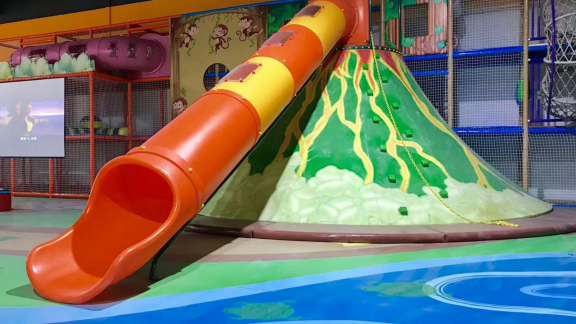
A sample must work for the visitors you really expect. Make sure each zone is made for a clear age group. Toddler soft play needs low platforms and gentle slides. Older children need climbing challenges and faster routes. Ask how the sample keeps different ages apart during busy hours.
Play value matters as much as age fit. Look for different kinds of movement: climbing, sliding, balancing, and jumping. A sample with only one kind of attraction may lose repeat visitors. Match the mix of attractions to what each zone is for. Make sure the sample supports supervision, too. Staff should be able to see high-risk areas while standing.
Verify Space and Installation Needs
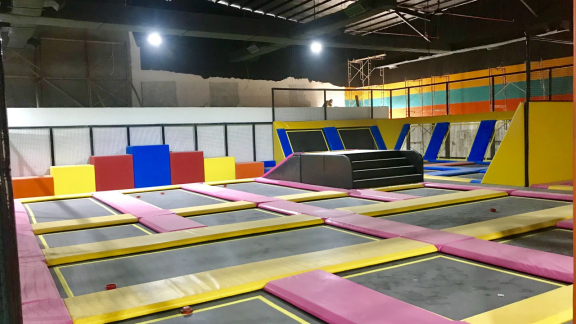
Measure your site against the sample drawings before you approve anything. The Vasia Play 1,312-square-meter jungle playground and trampoline park project in Saudi Arabia shows how layout factors work together. Attraction access, circulation, waiting areas, column spacing, and usable height all shaped that design. Large slides need clear approach routes and return paths. Trampoline courts need netted boundaries and safe gaps between beds.
Apply the same checks to your own floor plan. Walk the circulation route on paper. Make sure column positions do not block equipment or escape routes. Check ceiling height against the tallest structure. Define the scope of installation work, including site preparation and access for delivery. Then confirm the scope of any site changes the sample requires.
Run this comparison before you sign. A sample that fits the users but not the site will fail in service. Approve only the sample that matches your users, your space, your maintenance capacity, and your applicable safety requirements. Treat every commercial playground equipment sample as a site-specific proposal, not a catalog item. Check what each zone is meant for against real traffic flow. Keep the approved scope in writing for the installation team.
Verify Safety and the Manufacturer
Confirm Standards and Documents
Before you compare prices, ask any commercial playground equipment manufacturer for safety documents. A low quote means little if the paperwork is missing. Request the certificates that apply to your market and your project. Read each document and check that it names the equipment you plan to buy.
The CPSC Public Playground Safety Handbook describes two main injury mechanisms: falls and mechanical injury. Use it as a reading guide for the sample. Confirm that the design addresses entrapment, sharp edges, and moving parts. Then check that the manufacturer’s documents match your safety standards and requirements. Ask for applicable ASTM standards evidence where your market expects it, and confirm relevant ASTM standards by name in the file. Keep the scope of each certificate clear. A certificate for one product line does not cover a different one.
Vasia Play supplies CE/CoC, GS safety certification with factory audit, and ISO 9001, ISO 14001, ISO 27001, and ISO 45001 certifications. The company serves more than 100 countries. Collect safety and accessibility documentation in one folder, and note the scope of each item.
Check Surfacing and Fall Zones
The playground surface should be rated for the highest fall from any piece of equipment. Measure the tallest platform and the highest slide exit in the sample. Then confirm the surfacing rating meets that height. Check manufacturer-specified use zones around each structure. These zones define the clear space you must keep free of furniture, columns, and traffic paths.
Write an intended-use statement for the surfacing, and match it to the intended use of each zone. Confirm accessibility requirements with your local authority, and record the answer. This comparison step protects children and gives you a defensible approval record.
Compare Commercial Playground Equipment Quotes
Align the Commercial Playground Equipment Quote Scope
You can’t judge price until every offer covers the same work. Ask each commercial playground equipment manufacturer to price an identical package. One supplier may include delivery, while another leaves it out. That gap makes a cheap commercial playground equipment quote look better than it is.
Build a scope comparison table before you read any total. List each line item in rows and each supplier in columns. Mark every item as included, excluded, or optional. This table turns a vague commercial playground equipment quote scope into something you can check. When you compare commercial playground equipment quotes this way, hidden gaps show up fast.
Price comparison should go beyond the base quote. Look at scope, compliance, surfacing, and accessibility together. A quote without safety documents or surfacing costs is not cheaper. It just moves the cost to you later.
Vasia Play asks for clear inputs before pricing: floor size, ceiling height, target age group, theme, attraction list, destination port, and safety requirements. Its turnkey support covers design, manufacturing, packing, shipping, installation, and after-sales service. That gives you a complete scope to weigh against other offers.
Weigh Price, Maintenance, and Lifespan
A low total means little without context. Compare the same project scope across every bid, then look at what each price buys over time. Ask what maintenance each design demands. Padding, nets, and slide surfaces wear at different rates. A design with fewer high-wear parts may cost less to run.
Check the shipping and installation scope in each commercial playground equipment quote. Confirm who handles freight, who supervises assembly, and who pays for site corrections. These items change totals by large margins. Write them into the file before you rank suppliers.
Lifespan deserves equal weight. Ask how long each component should last under your visitor numbers. Request spare-parts terms and warranty coverage by category. A slightly higher price with strong parts support often beats a bargain with thin backup.
When comparing commercial playground equipment quotes, score three columns: price, upkeep, and expected service life. A simple comparison across those columns keeps the decision grounded. Review each commercial playground equipment quote against your approved scope, not against a rival’s headline number. The commercial playground equipment that wins should score well on all three, not just the first.
You now have four ways to review the sample: materials and construction, durability, age and setting fit, and safety plus cost. Each way turns a showroom impression into evidence you can check.
Build a side-by-side checklist from these criteria. Score every sample on the same scale. Record the scope of each offer and the scope of installation work in the same rows. A written comparison gives you a fair basis for approval.
The best sample is not the one that looks best in a showroom. It is the one that scores well across every way for your specific facility. Let the checklist decide, and your commercial playground equipment choice will hold up in service.
FAQ
How do I confirm a sample matches the final delivered equipment?
Ask for the approved drawings, material list, and part list in writing. Compare them against the sample you reviewed. Confirm the scope of what the factory will ship before you sign. Vasia Play supplies spare parts according to project drawings and part lists, so the same documents guide both approval and delivery.
Can I test a sample before placing a full order?
Yes. Request a physical sample or a virtual factory tour. Vasia Play offers virtual factory tours and VR product experiences so you can review concepts from multiple angles. Press padding, pull net attachments, and check fasteners by hand. Record what you find for each component.
Which documents should I request before comparing prices?
Ask for CE/CoC, GS safety certification with factory audit, and ISO 9001, ISO 14001, ISO 27001, and ISO 45001 certificates. Confirm each document names your equipment and market. Vasia Play serves more than 100 countries and supplies these documents. Collect them in one folder before you read any quote.
How do I keep the approval decision defensible?
Build a written checklist and score every sample on the same scale. Note the scope of each offer, the inspection findings, and the safety documents in one file. A recorded comparison gives you evidence for the approval and a reference for later maintenance.